Phenotypic Variance of ‘Tasmanian Haze’ in Arid Victorian Cultivation
This research examines the observed phenotypic variances of the 'Tasmanian Haze' cannabis strain, specifically when cultivated in the arid climate of regional Victoria, highlighting adaptations in terpene profiles and growth…
The Australian cannabis landscape operates under a prescription-only model, presenting distinct challenges and opportunities for cultivators and researchers. Among the cultivars gaining recognition, ‘Tasmanian Haze’ stands out for its distinctive aromatic profile and purported uplifting effects. But something fascinating happens to this cultivar in Victoria’s arid regions, a stark contrast to its namesake’s typically cooler, more humid climate. Observable variations in phenotypic expression emerge, creating a compelling subject for study. This exploration examines how environmental pressures in Victoria’s arid zones influence the growth, morphology, and chemical profiles of ‘Tasmanian Haze’, offering insights for independent field research within Australia’s regulated cannabis sector.
Climatic Influences on Cultivar Development
Victoria’s arid and semi-arid zones deliver a harsh reality: low annual rainfall, scorching summer temperatures, intense solar radiation, and dramatic day-night temperature swings. These conditions clash sharply with the cooler, more temperate climate where the ‘Haze’ lineage typically flourishes, environments with consistent humidity and moderate temperatures. Introducing ‘Tasmanian Haze’ to such a challenging environment forces significant adaptive responses from the plant, directly reshaping its growth patterns.
Independent cultivation projects reveal plants grown in these arid Victorian conditions often display a more compact stature than their counterparts in traditional, temperate settings. Stem caliper measurements show a tendency towards thicker, more rigid stems, likely an adaptation to stronger winds and reduced turgor pressure. Leaf morphology shifts as well, with instances showing smaller, thicker leaves, possibly minimizing transpiration in the intense heat and low humidity.
“The shift from a temperate to an arid environment fundamentally re-shapes the plant’s resource allocation, prioritising survival traits over luxuriant growth.”
These adaptations represent more than cosmetic changes. They signal a fundamental rewiring of the plant’s biological priorities, trading the generous growth patterns of favorable climates for the survival mechanisms demanded by harsh conditions. The plant essentially becomes a different version of itself, shaped by the relentless pressures of its new environment.
Variations in Terpene and Cannabinoid Profiles
Beyond visible morphological changes, the arid Victorian environment exerts profound influence on the phytochemical composition of ‘Tasmanian Haze’. Terpenes, the aromatic compounds responsible for the cultivar’s distinctive scent and flavor, prove particularly vulnerable to environmental stressors. Anecdotal reports and preliminary analytical data suggest potential alterations in dominant terpene profiles that fundamentally change the plant’s character.
‘Tasmanian Haze’ typically expresses high levels of terpinolene, ocimene, and beta-caryophyllene, but cultivation in arid Victorian conditions sometimes yields plants with dramatically different aromatic signatures. Cultivators report more pronounced earthy or spicy undertones, potentially indicating shifts in specific terpene biosynthesis or increases in less common monoterpenes or sesquiterpenes. This variance likely stems from increased UV radiation exposure or water stress, both known factors influencing terpene production.
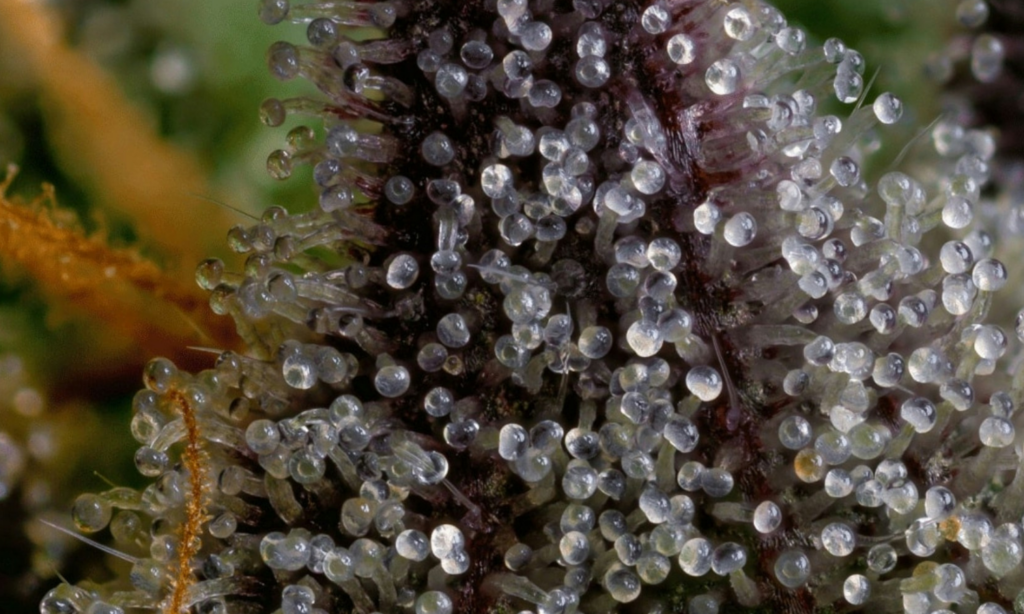
Cannabinoid biosynthesis faces similar pressures. While overall THC content of ‘Tasmanian Haze’ generally remains within expected ranges for the cultivar, minor cannabinoid ratios can fluctuate significantly. Independent analyses occasionally show slight increases in THCV or CBG, though comprehensive studies are needed to establish definitive correlations with arid cultivation. These shifts carry crucial implications for understanding the full therapeutic potential of prescribed cannabis products, as the entourage effect suggests that the interplay of all compounds contributes to overall therapeutic outcomes.
The chemical fingerprint of the plant essentially rewrites itself under stress, creating variations that could represent entirely different therapeutic profiles. This chemical plasticity demonstrates how environmental factors can fundamentally alter not just how a plant looks, but how it might function as medicine.
Impact on Flowering and Yield Characteristics
The reproductive cycle of ‘Tasmanian Haze’ undergoes considerable transformation under arid Victorian conditions. The flowering phase duration sometimes shortens, possibly as an adaptive strategy to complete the life cycle before extreme heat or drought conditions become too severe. This accelerated maturation, however, extracts a price.
Yields in arid cultivation frequently fall below those reported in more favorable climates. The plant diverts energy resources towards stress response mechanisms rather than biomass accumulation, resulting in smaller, less dense inflorescences. Calyx-to-leaf ratios also shift, with observations noting higher proportions of leaf material, potentially as protection against desiccation. This carries significant implications for efficiency and economic viability of cultivation for medicinal product manufacturers operating under TGA regulations, where consistent yield and quality are essential.
The increased intensity of solar radiation in arid zones contributes to “light burn”, excessive UV exposure that degrades chlorophyll and can bleach the uppermost flower clusters. While not inherently detrimental to cannabinoid content, it affects the aesthetic quality of the final product, a factor considered in quality control for medicinal cannabis dispensed through pharmacies.
“Understanding phenotypic plasticity is not just academic; it’s fundamental to optimising cultivation protocols for Australian medicinal cannabis producers.”
The plant’s struggle to balance reproduction with survival creates a complex dance of resource allocation. Each flower cluster represents a compromise between the plant’s drive to reproduce and its need to survive the harsh conditions. This biological tension shapes every aspect of the final product.
Cultivation Practices and Mitigation Strategies
Given the pronounced phenotypic variances observed, tailored cultivation practices become essential for managing ‘Tasmanian Haze’ in arid Victorian environments. Professional cultivators operating under TGA guidelines for medicinal cannabis production often implement sophisticated climate control and irrigation systems. Advanced drip irrigation or hydroponic systems can precisely deliver water and nutrients, mitigating drought stress. Shade cloth deployment during peak summer months reduces solar intensity and mitigates heat stress, thereby influencing terpene preservation and preventing light burn.
Microclimate Management
Creating controlled microclimates, even within outdoor or greenhouse settings, becomes a critical strategy. This involves strategic plant spacing to improve airflow, windbreaks to reduce desiccating winds, and selection of specific grow mediums that retain moisture effectively while preventing root rot. Such meticulous environmental management aims to buffer the plant from the harshest aspects of arid climate, encouraging phenotypic expression closer to what might be expected in native or more temperate growing conditions, thereby ensuring a more consistent product for the medicinal market.
The challenge lies in finding the sweet spot between environmental control and economic feasibility. Too little intervention leaves plants struggling against harsh conditions, while excessive climate control can make cultivation economically unviable. Successful cultivators develop intimate knowledge of their specific microclimates, learning to read subtle environmental cues and respond with precision timing.
Exploring ‘Tasmanian Haze’ in Victoria’s arid regions reveals the profound impact of environmental factors on cannabis phenotypic expression. As Australia’s medicinal cannabis sector matures, understanding these variances becomes more than an academic exercise, it’s a practical necessity for cultivators, researchers, and prescribing clinicians. The observed shifts in morphology, cannabinoid, and terpene profiles highlight the need for continued, rigorous field research and analytical testing. Such studies contribute to deeper scientific understanding of cultivar-environment interactions, ultimately enabling production of consistent, high-quality medicinal cannabis products that meet stringent TGA requirements and effectively serve Australian patients through pharmacy dispensing.
The story of ‘Tasmanian Haze’ in Victoria’s arid zones illustrates a broader truth about cannabis cultivation: the plant’s remarkable ability to adapt and survive, even as those adaptations fundamentally alter its character. This phenotypic plasticity represents both challenge and opportunity for Australia’s emerging medicinal cannabis industry, demanding sophisticated approaches to cultivation and quality control while offering insights into the complex relationships between genetics, environment, and therapeutic potential.