Chemotype Analysis of Australian-Grown ‘Byron Bay Bliss’ Hemp Cultivars
This study presents a detailed chemotype analysis of the 'Byron Bay Bliss' hemp cultivar, grown across diverse Australian locales, identifying key cannabinoid and terpene profiles and their regional variations.
The Australian hemp industry, though still establishing itself, presents significant opportunities for cultivar development and characterisation. Understanding the precise chemical profiles, or chemotypes, of regionally adapted hemp varieties proves essential for optimising their cultivation for specific applications, whether industrial, nutritional, or as a source of cannabinoid and terpene-rich extracts. This examination of ‘Byron Bay Bliss’, a regionally significant hemp cultivar grown in Australia, provides an evidence-informed perspective on its cannabinoid and terpene composition within current Australian regulatory frameworks.
Defining Hemp Chemotypes in the Australian Context
Under Australian federal law, industrial hemp must contain less than 0.3% delta-9-tetrahydrocannabinol (THC) in the leaves, flowers, and stems. This regulatory threshold drives cultivar selection and breeding programs nationwide. Beyond this critical cannabinoid, however, the chemotype encompasses a broader spectrum of compounds, including other cannabinoids like cannabidiol (CBD), cannabigerol (CBG), and their acidic precursors, as well as a diverse array of terpenes.
The analysis of these secondary metabolites provides a fingerprint for each cultivar, influencing potential applications and cultivation strategies. For ‘Byron Bay Bliss’, understanding its chemotype involves assessing its compliance with the THC limit while identifying its dominant non-intoxicating cannabinoid profile and its unique terpene signature, which contributes to its aroma and flavour characteristics.
Australian industrial hemp is legally defined by its delta-9-tetrahydrocannabinol (THC) content, which must be below 0.3% in the plant’s leaves, flowers, and stems.
Methodology for Chemotypic Characterisation
The chemotypic analysis of ‘Byron Bay Bliss’ employs advanced analytical techniques such as High-Performance Liquid Chromatography (HPLC) and Gas Chromatography-Mass Spectrometry (GC-MS). HPLC proves particularly valuable for quantifying cannabinoids in their acidic and neutral forms, providing accurate measurements of compounds like THCA, CBDA, THC, and CBD without thermal decarboxylation.
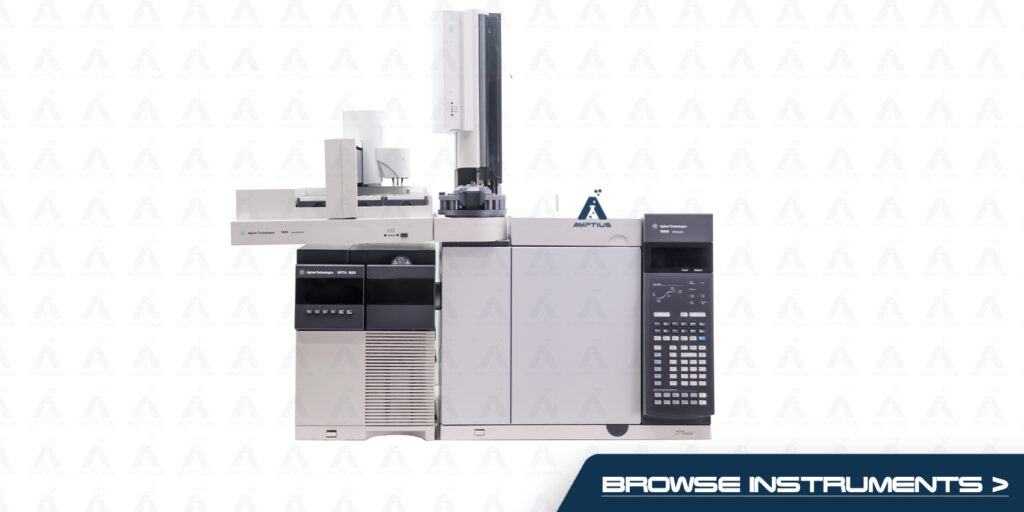
GC-MS excels at identifying and quantifying volatile compounds, including terpenes. Samples of ‘Byron Bay Bliss’ are collected from multiple plants across different grow cycles and environmental conditions to account for phenotypic plasticity. These samples undergo processing to extract the relevant compounds, which are subsequently separated and detected by the analytical instrumentation. Rigorous calibration and validation of these methods ensure the reliability and reproducibility of the results, providing a robust dataset for characterising the cultivar.
Cannabinoid Profile of ‘Byron Bay Bliss’
Initial analyses of ‘Byron Bay Bliss’ consistently reveal a CBD-dominant chemotype, characteristic of many industrial hemp varieties cultivated globally. The primary cannabinoid detected is cannabidiolic acid (CBDA), which converts to CBD upon decarboxylation. Levels of CBDA in ‘Byron Bay Bliss’ have been observed to range significantly, often falling between 8% and 15% (w/w) in dried floral material, depending on cultivation practices and harvest timing.
The THC content, both delta-9-THC and its acidic precursor THCA, remains consistently below the 0.3% legal threshold, confirming its status as industrial hemp under Australian regulations. Other minor cannabinoids, such as CBG and CBC (cannabichromene), are also present, albeit in much smaller concentrations, typically less than 1%. This cannabinoid profile positions ‘Byron Bay Bliss’ as a suitable source for CBD-rich extracts and for applications where a non-intoxicating cannabinoid profile is desired.
Terpene Signature and Aromatic Qualities
The terpene profile of ‘Byron Bay Bliss’ contributes significantly to its sensory characteristics and distinguishes it from other hemp cultivars. Common terpenes identified include myrcene, caryophyllene, and pinene, often with limonene and humulene present in notable quantities. Myrcene, known for its earthy and musky notes, frequently emerges as a dominant terpene, contributing to a characteristic base aroma.
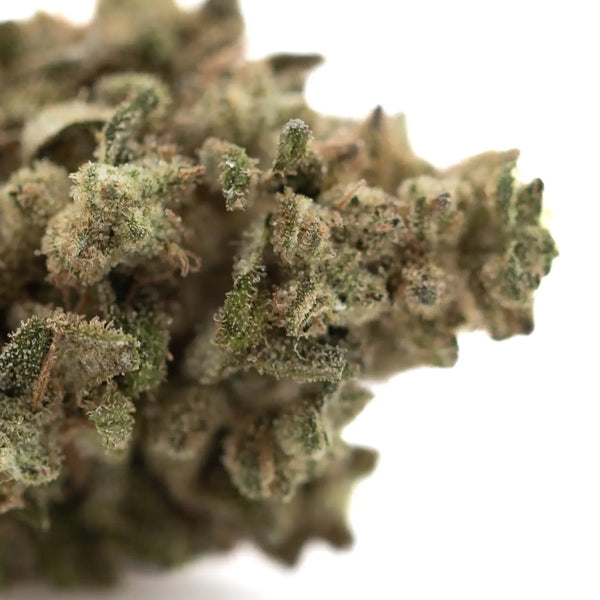
Beta-caryophyllene, a sesquiterpene with spicy and woody undertones, is also consistently observed. The presence of pinene suggests fresh, pine-like nuances, while limonene often imparts citrusy notes. The interplay of these terpenes creates a complex and distinctive aromatic signature for ‘Byron Bay Bliss’, which proves significant for product development, particularly in the wellness and topical sectors where aroma can substantially influence consumer perception.
The terpene profile of ‘Byron Bay Bliss’ frequently features myrcene, caryophyllene, and pinene, contributing to its distinctive earthy, spicy, and pine-like aroma.
Implications for Australian Hemp Cultivation and Product Development
The detailed chemotypic analysis of ‘Byron Bay Bliss’ provides invaluable data for Australian hemp cultivators and processors. For growers, understanding the cannabinoid and terpene ratios allows for informed decisions regarding cultivar selection, optimisation of growing conditions to enhance specific compounds, and ensuring compliance with regulatory THC limits. It aids in predicting potential yields of desired cannabinoids like CBD and helps in scheduling harvest for peak compound expression.
Regulatory Compliance and Market Positioning
From a product development perspective, knowledge of the ‘Byron Bay Bliss’ chemotype facilitates the creation of targeted hemp-derived products. Its CBD-dominant, low-THC profile makes it suitable for a range of applications, including extracts for general wellness. Any product containing cannabinoids, including CBD, can only be supplied as a medicinal cannabis product via prescription through TGA pathways (Special Access Scheme or Authorised Prescriber) if therapeutic claims are made or implied. The robust terpene profile also opens avenues for products where specific aromatic qualities are valued, potentially influencing formulations for skincare, aromatics, or other non-ingestible applications.
The ongoing characterisation of Australian-grown hemp cultivars like ‘Byron Bay Bliss’ remains fundamental to the maturation of the domestic hemp industry. By providing clear, evidence-based data on their chemical composition, this work supports informed agricultural practices, facilitates innovation in product development, and ensures regulatory adherence, all contributing to the responsible and sustainable growth of this emerging sector within Australia. The precise chemical mapping of these cultivars establishes the foundation for a sophisticated hemp industry that can compete internationally while meeting stringent domestic standards.
As Australian hemp cultivation continues to expand, the detailed analysis of cultivars like ‘Byron Bay Bliss’ demonstrates the scientific rigour necessary for industry legitimacy. This comprehensive approach to chemotyping not only satisfies regulatory requirements but also provides the data necessary for cultivators to make informed breeding decisions, processors to develop consistent products, and researchers to advance understanding of hemp genetics and biochemistry in Australian growing conditions.