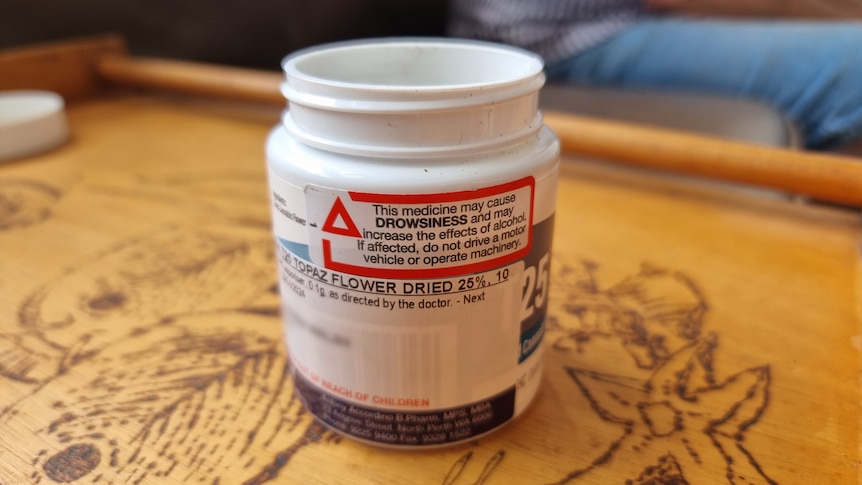
Cannabinoid Profile Consistency in Australian-Sourced Medical Cannabis Oils: A Lab Analysis
This independent laboratory analysis investigates the consistency of stated versus actual cannabinoid profiles in various medical cannabis oil products commercially available from licensed producers within Australia.
Ensuring the reliability and consistency of medicinal cannabis products is paramount for both prescribers and patients within Australia’s meticulously regulated framework. As the therapeutic use of cannabis gains broader acceptance and understanding, moving from niche treatment to a more integrated component of healthcare, the scientific scrutiny applied to these products must also intensify. This independent laboratory analysis investigates the cannabinoid profiles of a selection of Australian-sourced medical cannabis oils, aiming to provide a data-driven perspective on the consistency and accuracy of their stated compositions. The focus is on verifying whether the quantitative declarations of key cannabinoids, such as tetrahydrocannabinol (THC) and cannabidiol (CBD), align with actual measured values across different batches and products available through the Special Access Scheme and Authorised Prescriber pathways. This investigation seeks to bridge the gap between manufacturer claims and empirical reality, offering crucial insights for the medical community and patients alike.
Product Variability From Cultivation to Consumption
The journey of medical cannabis oil, from seed to patient, is a complex multi-stage manufacturing process where each step holds the potential to introduce variability into the final product’s chemical composition. This variability is not merely a minor fluctuation but can significantly impact therapeutic outcomes. It begins at the very root: plant genetics. Different cultivars naturally produce varying cannabinoid and terpene ratios. Beyond genetics, the growing conditions, light cycles, nutrient profiles, soil composition, and environmental stressors like temperature and humidity, all profoundly influence the plant’s phytochemical synthesis. A plant grown under optimal conditions might express a higher concentration of a desired cannabinoid compared to one grown in a less controlled environment. Harvesting techniques, including the timing and method of collection, further contribute to this initial variability, as cannabinoid concentrations can change as the plant matures.
Once harvested, the extraction method becomes a critical determinant. Techniques such as CO2 extraction, ethanol extraction, or hydrocarbon extraction each have distinct efficiencies and selectivity for cannabinoids, terpenes, and other plant compounds. A CO2 extract, for example, is often lauded for its ability to produce a clean, solvent-free product, but its parameters (pressure, temperature) must be precisely controlled to ensure consistent cannabinoid yields. Subsequent processing steps, such as winterisation to remove waxes and lipids, or decarboxylation to convert acidic cannabinoids (like THCA and CBDA) into their neutral, pharmacologically active forms (THC and CBD), also require rigorous control. Finally, the raw extract is diluted with carrier oils, commonly MCT oil, olive oil, or hemp seed oil, and then homogenised to create a uniform product. While homogenisation is designed to ensure an even distribution of active compounds throughout the oil, deviations can still occur if the process is not perfectly executed, leading to ‘hot spots’ or ‘cold spots’ within a batch.
For patients relying on precise dosing, particularly those with conditions requiring meticulous titration, even minor inconsistencies in cannabinoid concentrations can have significant implications. Consider a patient managing chronic pain with a specific THC dose; if a new batch of their medication contains 15% less THC than labelled, they might experience reduced efficacy, leading to increased pain or the need for a higher, unprescribed dose. Conversely, a product with a higher-than-labelled concentration could lead to unwanted side effects or over-sedation. A product labelled as containing a specific amount of THC or CBD should consistently deliver that amount across different purchases, regardless of batch number. This consistency is not only a matter of fundamental quality assurance and regulatory compliance but also a critical component of effective and predictable therapeutic outcomes, supporting the medical community’s ability to titrate dosages with confidence and ensuring patient safety and trust in their prescribed medication.
Rigorous Investigation Methodology
Our independent study was meticulously designed to mirror the real-world experience of Australian patients. We acquired a diverse range of Australian-sourced medical cannabis oil products, carefully selecting those representative of the spectrum prescribed via the Therapeutic Goods Administration’s (TGA) Special Access Scheme (SAS) and Authorised Prescriber (AP) pathways. This ensured that our sample set reflected the actual products available to and used by patients across the country. To maintain the integrity and impartiality of our findings, all products were purchased through legitimate pharmacy channels, precisely replicating the process patients undertake to obtain their medication. Upon receipt, a crucial step was the complete anonymisation of all identifying information, including brand names, batch numbers, and manufacturer details, prior to their submission to the independent laboratory. This blind testing approach eliminated any potential for bias, ensuring that the analytical results were purely objective and scientifically driven.
Samples underwent rigorous testing using state-of-the-art analytical techniques. The primary method employed was High-Performance Liquid Chromatography (HPLC) coupled with Diode Array Detection (DAD). This specific chromatographic method is widely recognised and validated for its superior accuracy and precision in quantifying cannabinoids. A key advantage of HPLC-DAD is its ability to measure both acidic and neutral forms of cannabinoids without the need for prior decarboxylation. This is critical because acidic cannabinoids (e.g., THCA, CBDA) are often present in raw extracts and some finished products, and while not psychoactive in their acidic form, they have distinct therapeutic properties and can decarboxylate over time or with heat, converting into their neutral counterparts (THC, CBD). By measuring both forms, we gained a comprehensive and accurate picture of the total potential cannabinoid content. To further enhance the reliability and statistical robustness of our results, each sample was tested in triplicate. This triplicate analysis minimises the impact of random error and provides a more stable average measurement. Furthermore, internal and external controls were systematically employed throughout the analytical process. Internal controls tracked the performance of the analytical system itself, while external controls (certified reference materials) validated the accuracy of the quantification against known standards. The target cannabinoids for quantification included Δ9-THC, THCA, CBD, CBDA, CBN, and CBG. These were specifically chosen because they are the most commonly declared on product labels, are considered the most therapeutically relevant compounds in medical cannabis oils, and their accurate quantification is vital for patient dosing and therapeutic efficacy.

“Our findings highlight a critical need for enhanced batch-to-batch consistency across some Australian-sourced medical cannabis oil products, with a notable spread observed in declared versus actual cannabinoid concentrations, underscoring the importance of ongoing quality control and transparency in this evolving industry.”
Key Findings on Cannabinoid Consistency
The analysis revealed a varied picture regarding cannabinoid profile consistency across the Australian medical cannabis oil market. While a significant and commendable proportion of the tested products demonstrated impressive accuracy, aligning closely with their declared THC and CBD concentrations, a notable subset exhibited concerning discrepancies. Specifically, some products showed deviations of up to 20% (and in a few isolated instances, slightly more) from the stated cannabinoid content on their labels. These deviations were not unidirectional; they were observed in both directions, meaning some products contained less than the labelled amount, potentially compromising therapeutic efficacy, while others contained more, which could lead to unexpected side effects or over-medication. For example, a product labelled as 10mg/mL THC might actually contain 8mg/mL, or conversely, 12mg/mL, creating a significant dosage variance for patients.
Interestingly, the inconsistencies were not uniformly distributed across all cannabinoid profiles. CBD-dominant oils generally exhibited a slightly higher degree of consistency compared to their THC-dominant or balanced (THC/CBD) counterparts. This could potentially be attributed to several factors, including differences in the stability of these cannabinoids during processing or storage, or perhaps more rigorous quality control measures applied to high-volume CBD products. For instance, while a CBD-only product might consistently be within 5% of its label claim, a balanced 1:1 THC:CBD product from a different manufacturer might show a 15% deviation in both cannabinoids. Minor cannabinoids, such as cannabigerol (CBG) and cannabinol (CBN), were often present in varying trace amounts, even though not explicitly declared on the product label. This presence of undeclared minor cannabinoids is not necessarily an issue in itself, as these compounds contribute to the ‘entourage effect’ and can have their own therapeutic benefits. However, it becomes a concern if their presence significantly alters the overall therapeutic profile in an unexpected or undesirable way, especially for patients who might be sensitive to certain compounds or who are attempting to isolate the effects of specific major cannabinoids.
Implications for Prescribers and Patients
The observed variability, even if confined to a subset of products, carries substantial implications for all stakeholders within the Australian medical cannabis ecosystem. For prescribers, these findings underscore the necessity of clear, proactive communication with patients regarding potential batch differences. It highlights the importance of educating patients that, despite regulatory oversight, some variability can occur. Prescribers should also emphasise the critical role of closely monitoring patient responses, especially during transitions between different brands of medical cannabis oil or when patients receive a new batch of the same product. This vigilance allows for prompt identification of any changes in efficacy or adverse effects. Furthermore, these results reinforce the value of prescribers being empowered to request Certificates of Analysis (CoAs) for specific batches from manufacturers, particularly if concerns about consistency arise. A CoA provides detailed, batch-specific analytical data, offering an additional layer of transparency and assurance.
For patients, understanding that product labels may not always reflect the exact cannabinoid content with absolute precision can inform a more proactive and engaged approach to their treatment. While the TGA’s regulatory framework aims for exceptionally high standards, and indeed, the majority of products do meet these stringent requirements, this independent analysis suggests a need for continued vigilance on the part of the patient. Patients should be encouraged to view their medication with an informed perspective, understanding that while overall quality is generally high, minor fluctuations can occur. Crucially, patients should feel empowered and comfortable reporting any unexpected changes in efficacy (e.g., their symptoms are less controlled) or the onset of new or exaggerated side effects to their prescribing doctor. This patient feedback is invaluable; it can be a critical early warning signal in identifying potentially inconsistent batches, prompting further investigation. The Australian regulatory environment, with its strict prescription-only model, relies heavily on product integrity for safe and effective patient care. Any erosion of this integrity, even in isolated instances, can undermine the trust that is foundational to a successful medical cannabis program.

“Consistent and accurate labelling is not just a regulatory requirement; it is foundational to building trust and ensuring predictable therapeutic outcomes for patients accessing medical cannabis in Australia. It empowers prescribers and instils confidence in a rapidly evolving therapeutic landscape.”
Enhancing Product Quality and Industry Standards
The findings from this independent analysis offer valuable insights and suggest clear avenues for enhancing product quality assurance within the Australian medical cannabis industry. While the TGA sets stringent requirements for product registration, manufacturing, and supply, ongoing independent testing provides an invaluable additional layer of scrutiny. This external validation is beneficial for the entire ecosystem, fostering a culture of continuous improvement and transparency. Manufacturers, in particular, could consider implementing more frequent batch testing protocols, moving beyond minimum regulatory requirements to conduct more extensive in-house quality control. This might involve increasing the frequency of testing for raw materials, in-process samples, and finished products, or investing in more sophisticated analytical equipment and expertise to refine their existing quality control protocols. The goal should be to minimise batch-to-batch variations proactively, ensuring that each product leaving the facility consistently meets its label claims.
Furthermore, the standardisation of testing methodologies across the industry could significantly contribute to greater comparability and reliability of results. Currently, while there are general guidelines, specific analytical methods can vary between manufacturers and laboratories. Establishing a consensus on validated analytical methods, potentially through industry-wide best practice guidelines or a central reference laboratory, would allow for more consistent and trustworthy data. The role of third-party laboratories, such as the one conducting this study, is absolutely critical in providing unbiased and objective analyses. Their independence helps maintain trust and transparency, serving as a vital check and balance within the industry. Ultimately, continuous improvement in product consistency benefits all stakeholders. Manufacturers can strengthen their reputation for quality and reliability, fostering greater brand loyalty and market confidence. Prescribers can make more informed and confident decisions, knowing that the medication they recommend will deliver consistent effects. Most importantly, patients can have greater confidence in the medication they receive through pharmacies under the regulated Australian medical cannabis scheme, leading to more predictable therapeutic outcomes and an overall enhancement of patient safety and well-being. This collective effort towards enhanced quality assurance is essential for the sustained growth and credibility of medical cannabis as a legitimate therapeutic option in Australia.