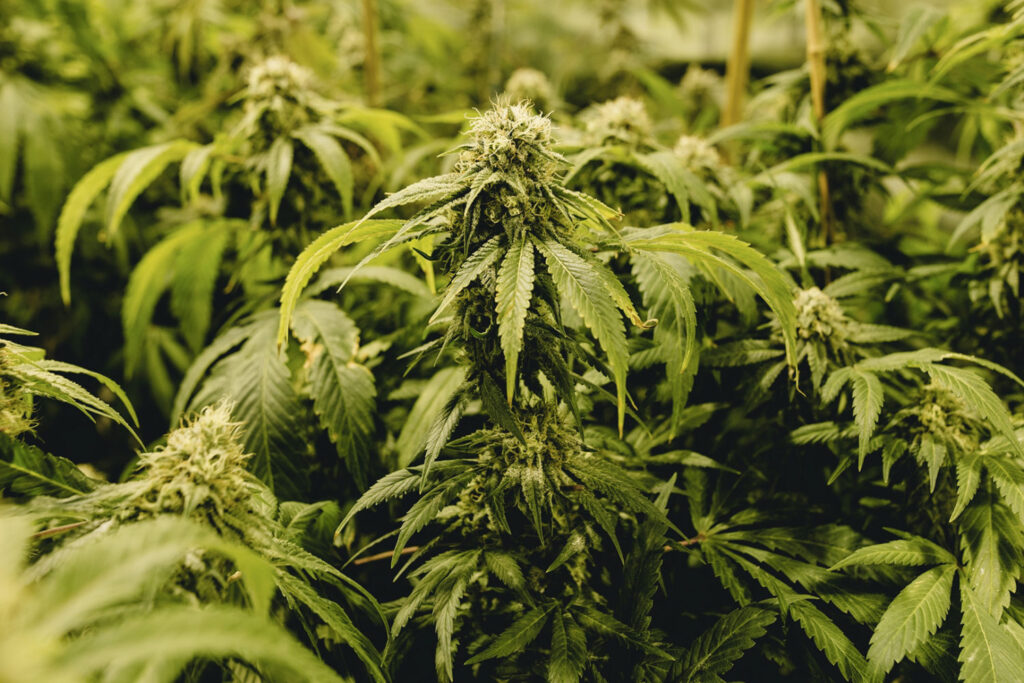
Economic Contribution of the Emerging Hemp Industry to Regional Australian Agriculture
This study provides an economic assessment of the burgeoning industrial hemp industry, detailing its contributions to job creation, land diversification, and overall agricultural revenue in regional Australia.
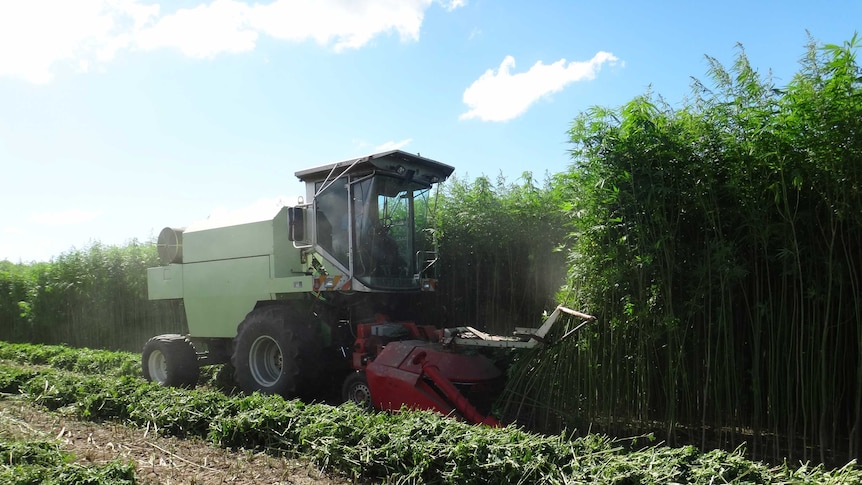
The Australian agricultural landscape, long dominated by traditional crops, is experiencing a quiet but significant shift with the re-emergence of industrial hemp. Once a forbidden plant, shrouded in misconceptions due to its botanical kinship with psychoactive cannabis, its cultivation for non-psychoactive purposes is now carefully regulated across the nation, opening new avenues for regional development. This growing industry, distinct from its medicinal cannabis counterpart due to its negligible tetrahydrocannabinol (THC) content, offers a diversified income stream for farmers, fosters local processing capabilities, and creates employment opportunities across various sectors, from agronomy to advanced manufacturing. Its potential to revitalise rural economies, particularly those grappling with climate variability, persistent drought conditions, and volatile commodity price fluctuations, is drawing attention and investment from policymakers, agricultural researchers, and farming communities alike.
Cultivation and Agricultural Diversification
Hemp cultivation presents a timely opportunity for Australian farmers to diversify their agricultural output, moving beyond traditional monocultures that can be vulnerable to market shifts and environmental pressures. The plant is renowned for its resilience and adaptability, capable of thriving in a wide variety of soil types and across diverse climatic zones, from the temperate south to the sub-tropical north. Hemp often requires substantially less water and fewer synthetic pesticides and herbicides than many traditional crops, making it an attractive option for regions confronting water scarcity or those committed to reducing their environmental footprint. For broadacre farmers, hemp can be integrated into existing crop rotations, offering multiple benefits. Its deep taproot system helps to break up compacted layers, improve soil structure, enhance water infiltration, and draw up nutrients from deeper soil profiles. Furthermore, its inclusion in a rotation can act as a natural break crop, potentially disrupting disease cycles and reducing pest pressure on subsequent crops, thereby improving overall farm health and productivity.
The flexibility of hemp extends to its harvest and end-uses, providing farmers with multiple pathways to profitability. Depending on the specific variety chosen and the intended market, it can be grown for its robust fibre, its highly nutritious seeds, or, in many cases, for both. Fibre-rich varieties, typically cultivated for industrial applications, yield strong, durable bast fibres that are a renewable resource for an expanding range of products, including sustainable textiles, lightweight construction materials, and innovative bioplastics. Australian-grown hemp could replace less sustainable materials in car interiors or high-performance building insulation. Seed varieties produce nutrient-dense seeds that are a powerhouse of protein and essential fatty acids, finding their way into a growing array of health-conscious food products, cold-pressed oils, and high-quality animal feed. This dual-purpose potential allows farmers to tailor their cultivation strategies to market demands, mitigate risks, and maximise their financial returns from a single crop. A farmer might opt for a dual-purpose variety, harvesting the seeds for the food market and then processing the remaining stalks for industrial fibre, leveraging every part of the plant.
“The re-introduction of industrial hemp provides Australian farmers with a drought-tolerant, versatile crop that can enhance soil health and offer multiple revenue streams, contributing significantly to agricultural resilience in a changing climate and offering a tangible path towards a more sustainable farming future.”
Processing and Manufacturing Growth
The economic contribution of the hemp industry extends far beyond the farm gate, fostering growth and innovation in regional processing and manufacturing sectors. Establishing facilities for decortication (the process of separating the valuable bast fibre from the woody hurd of the stalk), oil pressing, and seed hulling creates local employment opportunities, from skilled technicians to general labourers, and adds substantial value to raw agricultural produce. These processing hubs become integral components of regional economies, attracting further investment in downstream manufacturing and fostering a self-sustaining ecosystem of innovation. A new decortication plant creates demand for local transport, maintenance services, and engineering expertise, breathing new life into regional towns.
The processed materials derived from hemp cultivation serve as high-quality inputs for an increasingly wide array of innovative products, positioning Australia at the forefront of sustainable manufacturing. Hemp fibre is rapidly gaining traction in sustainable fashion, offering a durable and eco-friendly alternative to synthetic fabrics, and in advanced automotive components, where its lightweight strength can improve fuel efficiency. It’s also being incorporated into composite materials for everything from surfboards to aerospace applications. Hemp hurds, the woody core of the stalk, are revolutionising the construction industry, particularly in building materials like ‘hempcrete’, a breathable, insulative, and carbon-negative alternative to traditional concrete, and as highly absorbent, sustainable animal bedding. Meanwhile, hemp seeds and oil are increasingly found in health foods, dietary supplements lauded for their omega fatty acid profile, and premium cosmetic products. This vertical integration ensures that economic activity, employment, and profits remain within regional areas, promoting greater self-sufficiency, reducing reliance on international supply chains, and bolstering local prosperity.

Market Development and New Opportunities
The expanding range of hemp-derived products is opening up significant new domestic and international market opportunities for Australian producers, positioning the nation as a key player in the global hemp economy. As consumer awareness of sustainable, natural, and ethically produced goods grows, so too does the demand for innovative hemp-based alternatives across diverse sectors. This rising demand is particularly evident in the food sector, where Australian hemp seeds and oil are increasingly valued for their exceptional nutritional profile, rich in protein, fibre, and essential fatty acids, making them popular ingredients in plant-based milks, snacks, and nutritional supplements. Similarly, the textile industry is actively seeking eco-friendly fibres to reduce its environmental impact, with Australian hemp fibre offering a durable, breathable, and biodegradable solution for clothing and home furnishings.
Beyond these established markets, ongoing research and development efforts in Australia and globally are continuously uncovering novel applications for hemp. Its potential in bioplastics, offering a renewable and biodegradable alternative to petroleum-based plastics, is particularly exciting. Australian hemp could replace single-use plastics in packaging or consumer goods. Furthermore, its role in biofuels and advanced composite materials suggests a future where hemp could significantly displace less sustainable and carbon-intensive resources across multiple industries. For regional Australia, this translates directly into potential for export growth, accessing international markets, and the development of specialised manufacturing capabilities, further embedding the industry within the broader economic fabric and creating high-value jobs. This could include precision engineering for hemp processing equipment or advanced materials science for developing new hemp-based composites.
Market development also requires building relationships with international buyers and understanding their specific requirements. Australian hemp producers are working to establish quality standards and certifications that meet global expectations, particularly in organic and sustainable production methods. Trade missions and industry partnerships are helping to showcase Australian hemp products to potential overseas customers, while domestic market education campaigns are increasing awareness among Australian consumers about the benefits and applications of hemp-derived products.
Regulatory Framework and Future Outlook
Australia’s regulatory framework for industrial hemp, while complex, has been instrumental in enabling the industry’s measured and sustainable growth. Primarily governed by state and territory legislation, operating under a national Poisons Standard, it permits cultivation for fibre and seed with strict tetrahydrocannabinol (THC) limits, typically below 0.3%, ensuring that the plant is non-psychoactive. This clear legal distinction from cannabis grown for medicinal or recreational purposes has been crucial in fostering public acceptance, attracting investment, and providing a stable operating environment for growers and processors. Comprehensive licensing requirements, which vary slightly by jurisdiction but generally involve background checks and site inspections, ensure compliance with these regulations and provide a structured and accountable environment for all stakeholders within the industry. This regulatory clarity is a significant competitive advantage for Australian hemp producers on the global stage.
Recent regulatory developments have further strengthened the industry’s foundation. Several states have streamlined their licensing processes, reducing administrative burden for farmers while maintaining strict quality and safety standards. There’s also growing recognition among regulators of the industry’s potential, with some jurisdictions actively promoting hemp cultivation through grants and research funding. The development of national quality standards and testing protocols is helping to build consumer confidence and facilitate interstate trade.
The future outlook for Australia’s industrial hemp industry appears promising, poised for significant expansion and innovation, though continued investment in research, infrastructure development, and market education remains vital. Further refinement of cultivation techniques, including the development of Australian-specific hemp varieties optimised for local conditions, will enhance yields and quality. Investment in new processing technologies, such as advanced decortication machinery or novel extraction methods, will improve efficiency and create new product opportunities. Proactive engagement with potential domestic and international buyers, through trade missions, industry events, and marketing campaigns, will strengthen market access and demand. As the industry matures and scales up, its capacity to contribute to regional Australian agriculture through diversification, value-adding, and sustainable job creation is poised to become an even more significant economic force, transforming rural landscapes and economies. This includes developing a strong “Brand Australia” for hemp products, leveraging the country’s reputation for quality and clean agriculture.

“Australia’s industrial hemp sector, while still in its early stages, demonstrates a clear trajectory towards becoming a significant contributor to regional economies, driven by innovative product development, increasing market acceptance, and a commitment to sustainable practices.”
The journey of industrial hemp from an overlooked and misunderstood crop to a catalyst for regional economic growth and environmental stewardship in Australia demonstrates its inherent versatility and the ingenuity of the nation’s agricultural sector. By providing a sustainable and increasingly profitable alternative for farmers, and by fostering dynamic new processing and manufacturing capabilities within regional towns, the hemp industry is not merely adding another commodity to Australia’s agricultural portfolio. It is actively shaping a more diversified, resilient, and environmentally conscious future for its rural communities. Its continued expansion, supported by ongoing innovation, strategic investment, and a supportive regulatory environment, promises opportunities for driving both economic prosperity and ecological sustainability across the nation’s regional heartlands for generations to come. This is a story of transformation, where an ancient crop is helping to build a modern, sustainable Australia.