Impact of State-Level Cannabis Driving Laws on Patient Mobility in Western Australia
This research analyzes how current state-level cannabis driving laws in Western Australia specifically affect the mobility, employment, and overall quality of life for registered medical cannabis patients.
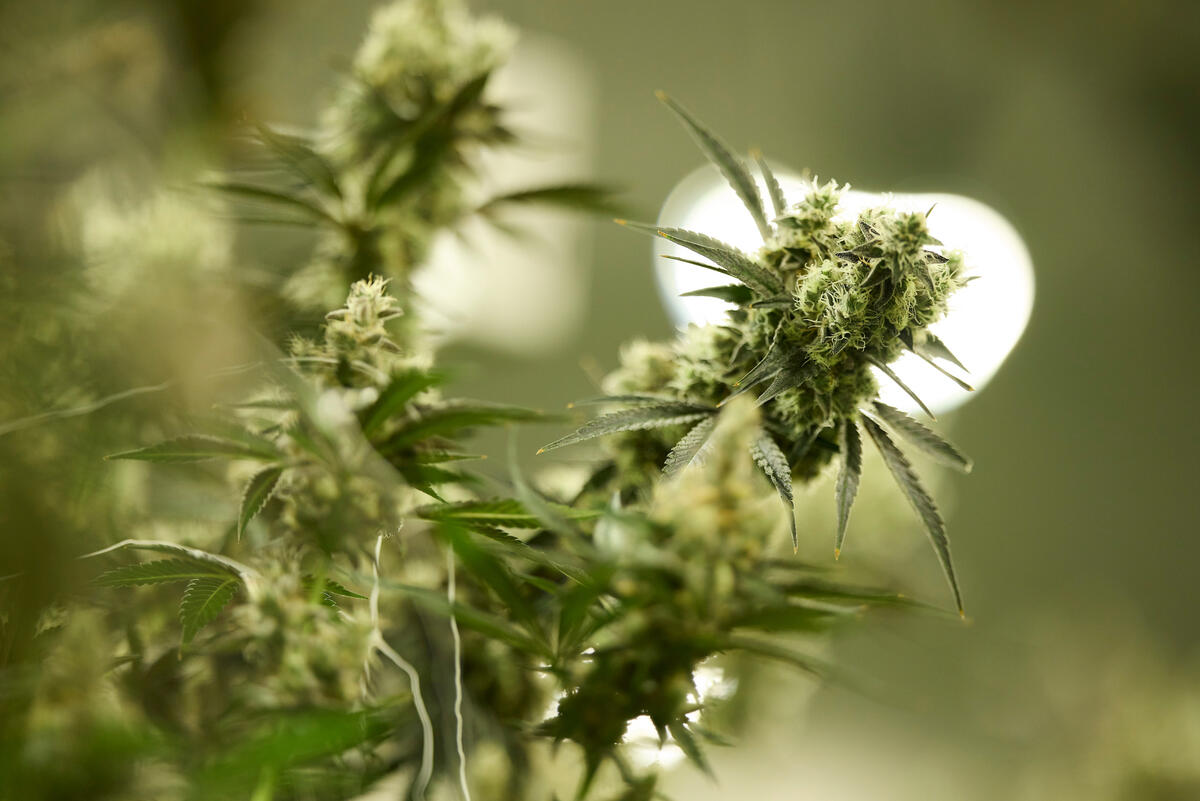
The increasing availability of medicinal cannabis in Australia, accessible strictly via prescription through TGA pathways (Special Access Scheme or Authorised Prescriber), presents a complex interplay of therapeutic benefits and regulatory challenges. While patients across the country can now legally access these treatments through pharmacies, their ability to fully integrate this medication into daily life, particularly concerning mobility, is significantly influenced by state-level driving laws. Western Australia, like other jurisdictions, grapples with the task of balancing public safety with patient access to prescribed medication, creating specific implications for individuals using medicinal cannabis and their capacity to operate a motor vehicle. This delicate equilibrium is currently heavily skewed, forcing many patients into an untenable position where their health and their basic right to mobility are in direct conflict.
Western Australia’s Zero-Tolerance Driving Laws
In Western Australia, the legal framework governing driving under the influence of drugs operates under a stringent zero-tolerance approach for prohibited substances. Unlike alcohol, where a permissible blood alcohol content (BAC) limit exists, allowing individuals to drive responsibly after moderate consumption, the presence of detectable levels of certain illicit drugs, including tetrahydrocannabinol (THC), in a driver’s oral fluid or blood sample can lead to immediate and severe charges. This applies even if the driver holds a valid prescription for medicinal cannabis containing THC, and critically, irrespective of whether they appear to be impaired. The law makes no distinction between recreational use and legitimate, medically supervised treatment, nor does it differentiate between active impairment and the lingering presence of a substance’s metabolites.
This strict interpretation creates a significant and often insurmountable hurdle for medicinal cannabis patients. The metabolites of THC can remain detectable in bodily fluids for extended periods, sometimes days, or even weeks, long after any impairing effects have completely dissipated. For instance, a patient who has lawfully consumed their prescribed medication at home, perhaps a low-dose oil taken orally for chronic pain the previous evening, could still test positive during a roadside drug test the following morning or even days later. This scenario, devoid of any actual impairment, can nevertheless lead to severe legal repercussions, including substantial fines, immediate licence disqualification, and even imprisonment in severe or repeated cases. The consequence is that law-abiding citizens, following their doctor’s orders, are effectively criminalised for the mere presence of a prescribed substance, not for any demonstrated unsafe driving behaviour.
Consider the case of a patient managing epilepsy with a prescribed CBD-dominant oil that contains trace amounts of THC. While the CBD itself is non-impairing, the minute THC content could trigger a positive roadside test. Or imagine a veteran using prescribed THC-rich cannabis for PTSD, who takes their medication in the evening. Days later, while driving to a medical appointment, they are pulled over and test positive. Despite being completely unimpaired and having consumed their medication strictly as directed, they face the same penalties as someone driving under the acute influence of an illicit drug. This blanket zero-tolerance policy fails to account for the pharmacokinetics of cannabis and the nuanced realities of medicinal use, placing an unfair burden on a vulnerable population.
The Unacceptable Dilemma for Prescribed Patients
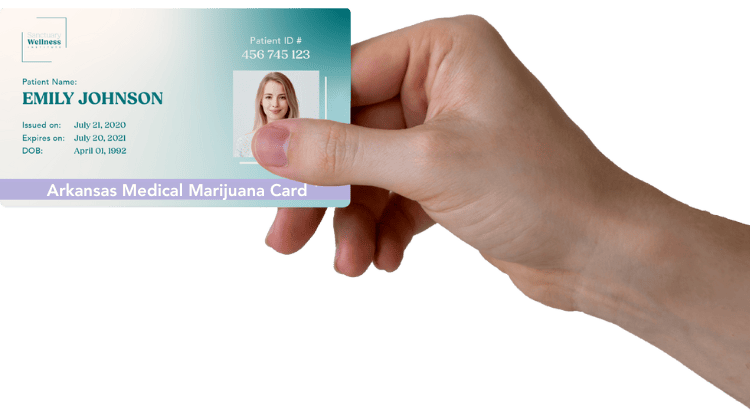
The current legal stance places medicinal cannabis patients in Western Australia in a profoundly precarious and often impossible position. They are faced with a stark and unfair choice: either abstain completely from driving while undergoing their prescribed treatment, effectively putting their lives on hold, or risk severe legal penalties that could devastate their livelihoods and freedom. For many, particularly those residing in regional or remote areas where public transport options are virtually non-existent, this effectively restricts their ability to work, access crucial medical appointments, fulfil essential caregiving responsibilities for children or elderly relatives, or participate in fundamental community life. This unintended and deeply punitive consequence directly undermines the very purpose of their medication, which is to improve their quality of life, alleviate suffering, and enhance their functionality and participation in society.
The absence of an impairment-based test for cannabis, similar to how alcohol impairment is assessed, further exacerbates this critical issue. Police officers use a combination of breathalyser tests (measuring BAC, which correlates with impairment) and observed behaviours (e.g., slurred speech, unsteady gait, failed sobriety tests) to determine actual alcohol impairment. For cannabis, current roadside drug testing primarily detects the mere presence of THC or its metabolites, not necessarily the level of impairment. This means a patient who is not impaired but has residual THC in their system, a common occurrence given the prolonged detection window, is treated identically to someone actively under the acute influence of cannabis and driving dangerously. This fundamental lack of differentiation creates a significant disincentive for patients to pursue medicinal cannabis as a legitimate treatment option, even where it is clinically indicated by their doctors and represents their best chance for symptom relief and improved well-being.
Patients are often forced to choose between managing debilitating chronic pain, severe anxiety, or other conditions with an effective prescribed medication, and maintaining their independence and ability to participate in daily life. This is not a choice any patient should have to make. It creates a chilling effect on the uptake of medicinal cannabis, forcing individuals to either endure their symptoms without the most effective treatment or to live in constant fear of legal repercussions simply for taking their prescribed medication. The psychological stress this imposes on already unwell individuals is immense, adding another layer of burden to their health challenges.
The current zero-tolerance approach for THC in Western Australia’s driving laws creates a significant barrier to mobility for prescribed medicinal cannabis patients, regardless of actual impairment. This policy effectively punishes patients for the mere presence of a legally prescribed substance, rather than for any demonstrated unsafe driving behaviour.
Comparative Approaches and Urgent Needs for Reform
Globally, and even within Australia, different and more progressive approaches to medicinal cannabis and driving are being explored and, in some cases, already implemented. This indicates that Western Australia’s current stance is increasingly out of step with contemporary understanding and patient-centred care. Some jurisdictions are actively moving towards impairment-based testing, where the focus shifts from the mere presence of a substance to a driver’s actual ability to operate a vehicle safely and competently. This approach, similar to how alcohol is managed, acknowledges that presence does not always equate to impairment. Countries like the UK and some US states have adopted or are trialling such models, often involving a combination of roadside sobriety tests and, where necessary, further testing that correlates more closely with acute impairment.
Others are considering establishing specific thresholds for THC that acknowledge the difference between active impairment and the residual presence of metabolites, particularly for prescribed medications. This would involve setting a quantifiable limit for THC in blood or oral fluid, below which a driver would not be deemed impaired, much like the BAC limit for alcohol. Such thresholds would need to be scientifically derived, based on robust research into the correlation between THC levels and actual driving impairment, rather than simply detecting any presence. This approach offers a pathway for patients to use their medication responsibly without fear of legal reprisal days after consumption. For example, countries like Norway and Germany have implemented such thresholds, providing clarity for both law enforcement and patients.
For Western Australia, discussions around potential reforms often centre on how to best balance road safety, an undeniably critical public health concern, with the fundamental rights and access to prescribed medication for patients. This could involve exploring the feasibility of implementing impairment testing for cannabis, potentially through advanced roadside devices or standardised field sobriety tests specifically designed for cannabis impairment. Alternatively, legislative amendments could establish specific legal defences for patients who can demonstrate unequivocally that they were not impaired at the time of driving and were consuming their medication strictly as prescribed by a qualified medical professional. Any such reform would necessitate careful consideration of the latest scientific evidence regarding cannabis pharmacology, the varying levels of impairment caused by different cannabis products, and the development of effective, reliable, and fair enforcement mechanisms. It requires a commitment to evidence-based policy rather than a reliance on outdated or overly simplistic regulations.

Profound Impact on Access and Healthcare Equity
The restrictive driving laws in Western Australia have broader and more insidious implications for healthcare equity and the overall uptake of medicinal cannabis within the state. Patients who rely on driving for their daily activities, which encompasses a vast majority of the adult population, may be forced to opt out of prescribed cannabis treatments, even if these treatments are unequivocally the most effective or only viable option for managing their debilitating condition. This decision is often made purely due to concerns about losing their driver’s licence, which for many, means losing their job, their independence, and their connection to essential services. This can lead to suboptimal health outcomes, prolonged suffering, and increased reliance on other, potentially less effective, or more side-effect-laden medications, such as opioids, which carry their own significant risks.
Furthermore, the current situation places an undue and ethically challenging burden on healthcare practitioners who are authorised to prescribe medicinal cannabis. They must not only consider the therapeutic benefits and potential risks of the medication itself but also navigate the significant and often existential legal risks their patients face regarding driving. This adds a complex and often distressing layer to patient counselling and consent processes. Doctors are compelled to provide extensive warnings about the legal implications of driving while undergoing treatment, which can inadvertently deter both prescribers, who fear placing their patients in legal jeopardy, and patients, who become hesitant to pursue a treatment that could otherwise dramatically improve their quality of life. This fear-based counselling undermines the doctor-patient relationship and impedes rational, evidence-based medical decision-making.
The current legal framework actively discourages the uptake of prescribed medicinal cannabis, forcing patients to make an impossible choice between effective medical treatment and their essential mobility, which is often fundamental to their livelihood and well-being. This creates a significant barrier to healthcare access and equity.
A Clear Path Forward for Western Australia
Addressing the profound challenges presented by Western Australia’s current cannabis driving laws requires a multi-faceted, collaborative, and evidence-based approach. This includes, first and foremost, a sustained and comprehensive public education campaign. This campaign should clearly articulate the distinction between recreational cannabis use and prescribed medicinal cannabis, highlighting the supervised medical context and the varying pharmacological effects of different cannabis products (e.g., high CBD, low THC formulations vs. high THC). Such education is crucial to dispel myths and reduce stigma, fostering a more informed public discourse.
Secondly, it necessitates ongoing and meaningful dialogue between key stakeholders: government policymakers, law enforcement agencies, medical professionals (including those who prescribe medicinal cannabis), and crucially, patient advocacy groups. This collaborative engagement is essential to explore and develop legislative amendments that acknowledge the unique circumstances of medicinal cannabis patients. This dialogue should aim to identify practical, equitable, and scientifically sound solutions that address both public safety and patient rights. Such solutions could include a tiered approach to THC detection, allowing for a prescribed defence for patients, or the development of accurate impairment testing methods.
Ultimately, any future framework developed for Western Australia must unequivocally prioritise public safety on our roads, which is a non-negotiable imperative. However, this must be achieved simultaneously with ensuring that patients who are legally prescribed and responsibly using medicinal cannabis are not unfairly penalised, criminalised, or stripped of their fundamental right to mobility and independence. This delicate but achievable balance is crucial for the effective and ethical integration of medicinal cannabis into the broader healthcare system. More importantly, it is vital for upholding the mobility, autonomy, and overall well-being of Western Australian patients who rely on this medication for their health and quality of life. The current system is not working for patients, and reform is not just desirable, but an urgent necessity for justice and public health.