Patient-Reported Outcomes of CBD-Rich Cannabis for Chronic Pain in New South Wales
This research compiles patient-reported outcomes to evaluate the effectiveness of CBD-rich medical cannabis formulations in managing chronic pain conditions among a cohort of registered patients in New South Wales.
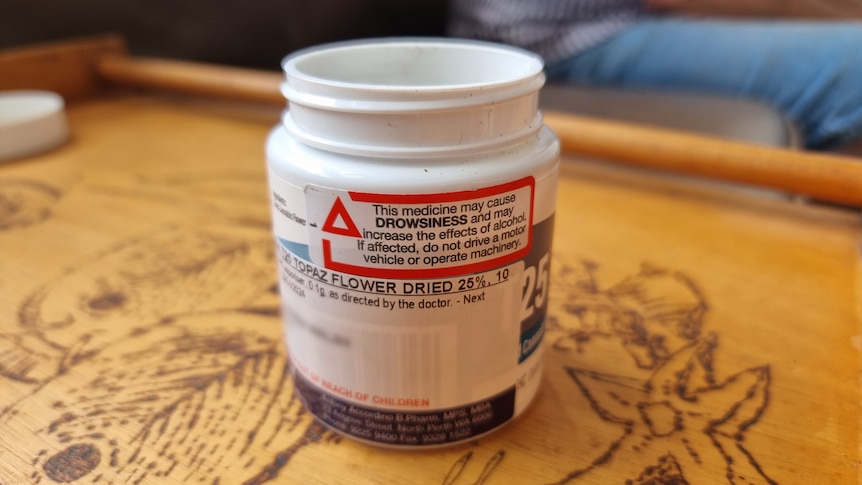
The increasing availability of medicinal cannabis in Australia has led to a growing interest in its therapeutic applications, particularly for chronic pain management. In New South Wales, where access is strictly regulated via prescription and dispensed through pharmacies under the Special Access Scheme or Authorised Prescriber pathways, patient-reported outcomes (PROs) offer crucial insights into the real-world effectiveness and experiences of individuals using cannabis-based medicines. This editorial explores the emerging evidence from PROs regarding CBD-rich cannabis for chronic pain within the NSW context, providing a nuanced perspective on its perceived benefits and challenges, free from promotional claims or guarantees.
Understanding Patient-Reported Outcomes
Patient-reported outcomes are direct reports from patients about how they feel, function, or what they are able to do, without interpretation by a clinician or anyone else. This direct, unfiltered feedback proves essential in chronic pain management, where the subjective experience of pain, its impact on daily life, and the efficacy of treatments are highly personal. For medicinal cannabis, PROs capture the subtle nuances of symptom relief, improvements in quality of life, and the impact of potential side effects, all central to a patient’s overall well-being and treatment satisfaction. They move beyond mere clinical measurements to embrace the entirety of the patient’s journey.
For CBD-rich cannabis, PROs often focus on several key areas, providing a comprehensive picture of its impact. Patients detail changes in pain intensity, often using validated scales like the Numeric Rating Scale (NRS) or Visual Analog Scale (VAS), tracking fluctuations in pain frequency and duration. These reports also investigate the reduction in reliance on other pain medications, particularly opioids. For instance, a patient might report a significant decrease in their daily opioid dosage or even complete cessation, attributing this shift to the introduction of CBD-rich cannabis. Beyond direct pain metrics, patients frequently report improvements in sleep quality, noting changes in sleep onset latency, duration, and overall restorative feeling. Mood, often a casualty of chronic pain, is another significant area of focus, with patients describing reduced anxiety, irritability, and depressive symptoms. Finally, PROs assess overall daily functioning, detailing how the treatment impacts activities of daily living such as walking, dressing, cooking, and engaging in social activities. The qualitative and quantitative data gathered through structured surveys, detailed diaries, and in-depth interviews contribute significantly to the evidence base, particularly given the relatively nascent stage of cannabis research compared to conventional pharmaceuticals, offering real-world data that clinical trials often struggle to capture.
“Patient-reported outcomes offer a critical lens into the real-world impact of CBD-rich cannabis, highlighting both the perceived benefits and the everyday challenges faced by individuals managing chronic pain in NSW.”
Access Pathways and Product Diversity in NSW
In New South Wales, medicinal cannabis is accessible solely through a doctor’s prescription, a system meticulously designed to ensure medical oversight, patient safety, and product quality. This regulated framework distinguishes Australia from jurisdictions with recreational markets or storefront dispensaries, ensuring that patients receive products evaluated for consistency and safety within a medical context. The process typically involves an initial consultation with a general practitioner, who may then refer the patient to a specialist if they deem medicinal cannabis appropriate. Prescribing doctors must be authorised prescribers or apply for approval through the Therapeutic Goods Administration’s (TGA) Special Access Scheme (SAS), a rigorous process that ensures appropriate clinical justification and patient suitability. Once prescribed, the cannabis-based medicine is dispensed through a registered pharmacy, reinforcing the medical legitimacy of the treatment and allowing for professional pharmaceutical advice and monitoring. This contrasts sharply with less regulated markets where product quality and medical guidance can be inconsistent, offering NSW patients a level of assurance.
The range of CBD-rich cannabis products available via prescription in NSW is surprisingly diverse, catering to a spectrum of patient needs and preferences. These products primarily include oils, tinctures, and capsules, each offering different pharmacokinetic profiles and administration methods. Oils and tinctures, often taken sublingually, allow for flexible dosing and relatively rapid absorption, while capsules offer a discreet and precise dosage form. These products come with varying ratios of CBD to THC, ranging from high-CBD, low-THC formulations (e.g., 20:1 or 10:1 CBD:THC) to balanced ratios (e.g., 1:1 CBD:THC), and even some with higher THC content, though the focus for chronic pain often leans towards CBD-dominant options due to their non-intoxicating nature. Patients, in close consultation with their prescribing doctor, navigate this diversity to find a formulation that aligns with their specific pain profile, co-morbidities, and tolerability. For example, a patient experiencing neuropathic pain might initially trial a high-CBD oil, while another with inflammatory pain might find a balanced ratio more effective. The choice of product often involves an iterative process of titration and adjustment, guided by meticulous patient feedback and clinical observation. This can mean starting with a very low dose and gradually increasing it until the therapeutic window is found, a process that can take weeks or even months, requiring patience and close communication between patient and clinician.
Observed Trends in Pain Management
Reports from patients using CBD-rich cannabis for chronic pain in NSW frequently highlight perceived improvements in pain intensity, offering hope for many who have exhausted conventional options. Many individuals indicate a significant reduction in the severity and frequency of their pain episodes, translating into tangible improvements in their daily lives. For instance, a patient suffering from chronic back pain might report being able to walk further, sit for longer periods, or even return to light exercise, activities previously hampered by debilitating pain. This proves particularly relevant for those who have found limited relief from conventional treatments, such as NSAIDs, nerve blocks, or physical therapy, or are actively seeking alternatives to opioid-based medications due to concerns about side effects or dependence. The ability to reduce reliance on opioids is a recurring theme in PROs, with some patients reporting a complete cessation of opioid use, while others manage to significantly lower their dosage, thereby mitigating associated risks and improving their overall quality of life.
Beyond direct pain reduction, PROs often point to a constellation of ancillary benefits that profoundly impact the overall well-being of chronic pain sufferers. Improved sleep patterns are a frequently cited advantage; patients report falling asleep more easily, experiencing fewer nocturnal awakenings, and waking feeling more refreshed. This proves particularly significant as chronic pain often disrupts sleep, creating a vicious cycle of increased pain sensitivity and fatigue. Similarly, a reduction in anxiety and an uplift in mood are commonly reported, addressing the psychological burden that often accompanies persistent pain. Patients describe feeling calmer, less irritable, and more capable of managing stress. The non-intoxicating nature of high-CBD formulations is often cited as a key advantage, allowing patients to maintain cognitive function, remain alert, and continue with their daily activities, including driving and working, without significant impairment. This allows for a more functional and integrated approach to pain management, contrasting with the sedative effects often associated with other pain medications. However, individual responses can vary significantly due to factors like genetics, pain type, and product formulation, and not all patients experience the same degree of relief or ancillary benefits. What works wonders for one individual might have a more modest effect on another, underscoring the need for personalized care and realistic expectations.
“Many patients report a reduction in the severity and frequency of pain episodes, along with improvements in sleep and mood, suggesting a broader impact on well-being beyond direct pain relief.”
Challenges and Considerations
Despite the increasingly positive PROs and the growing recognition of CBD-rich cannabis as a therapeutic option, challenges remain for patients accessing these medicines for chronic pain in NSW. The prescription-only model, while ensuring rigorous medical oversight and patient safety, can sometimes present significant barriers. One primary concern is the time and cost associated with specialist consultations. Many general practitioners are still hesitant to prescribe medicinal cannabis, requiring patients to seek out authorised prescribers or specialists, which can involve long waiting lists and substantial out-of-pocket expenses for initial and follow-up appointments. Furthermore, while pharmacies are mandated to dispense these products, a limited understanding among some healthcare professionals regarding cannabis therapeutics can sometimes impede optimal patient guidance and product selection. Patients often report encountering pharmacists who are unfamiliar with specific product formulations, dosing protocols, or potential drug interactions, leading to uncertainty and a lack of consistent advice.
Another critical consideration is the inherent variability in individual responses to cannabis. Unlike many conventional pharmaceuticals with predictable dose-response curves, the effects of cannabinoids can be highly personalized. What works effectively for one patient, providing profound relief with minimal side effects, may not yield similar results for another, or might even cause adverse reactions. This biological variability necessitates careful medical supervision and an individualized approach to treatment, often involving a process of trial and error to find the right cannabinoid profile, dosage, and administration method. For example, one patient might find a CBD-dominant oil highly effective for neuropathic pain, while another with the same condition might require a product with a small amount of THC to achieve optimal relief. The ongoing collection and meticulous analysis of PROs are, therefore, absolutely crucial for building a comprehensive understanding of which patient populations, specific pain conditions, and product formulations are most likely to result in favourable outcomes. This data will be instrumental in informing both clinical practice, allowing prescribers to make more evidence-based decisions, and future research directions, identifying areas where further investigation is most needed to maximize the therapeutic potential of CBD-rich cannabis.

Regulatory Framework and Future Directions
Australia’s medicinal cannabis regulatory framework, meticulously overseen by the Therapeutic Goods Administration (TGA), is designed to ensure paramount patient safety and unwavering product quality. This rigorous approach means that all prescribed cannabis products must meet specific standards for manufacturing, labelling, and cannabinoid content, providing patients with confidence in the medicines they receive. This contrasts with grey markets where product purity and consistency can be highly questionable. The continuous feedback loop provided by PROs proves vital for refining these regulations and ensuring that the system effectively serves the evolving needs of chronic pain patients. As more real-world data emerges, the TGA can adjust guidelines, approve new products, and streamline access pathways based on demonstrated patient benefit and safety.
As the body of evidence grows, particularly through the invaluable real-world data gleaned from PROs, there is significant potential for more streamlined access and a greater understanding among the broader medical community. Increased education for healthcare professionals, perhaps integrated into medical school curricula and ongoing professional development, will be crucial in demystifying medicinal cannabis and empowering more doctors to confidently prescribe. Future research in NSW and across Australia will undoubtedly continue to leverage PROs to deepen our understanding of CBD-rich cannabis, exploring its efficacy across a wider range of chronic pain conditions, investigating optimal dosing strategies, and identifying predictive biomarkers for treatment response. This patient-centric research will contribute significantly to evidence-based practice, allowing for more precise and effective treatment protocols, and ultimately improving the lives of those living with chronic pain across the nation. The journey towards fully integrating medicinal cannabis into mainstream healthcare is ongoing, but with PROs as a guiding light, the path forward appears increasingly clear and promising.
The insights gathered from patient-reported outcomes regarding CBD-rich cannabis for chronic pain in New South Wales underscore the complex interplay between medical access, product diversity, and individual patient experiences. While not a panacea, no single treatment is, the qualitative and quantitative data emerging from patient feedback suggest a valuable and increasingly recognized role for these cannabinoid therapies in the nuanced management of chronic pain. This proves particularly true within a robust, medically supervised framework that prioritizes patient safety, informed consent, and ongoing monitoring. Continued research, especially that which prioritizes the patient’s voice through PROs, coupled with open and honest dialogue between patients, prescribers, and regulators, will be absolutely essential to fully harness the therapeutic potential of CBD-rich cannabis in Australia and to ensure it serves those who need it most effectively and equitably.