Navigating the TGA’s Special Access Scheme for Medical Cannabis in Remote Australian Regions
This article investigates the specific challenges and successful navigation strategies for patients residing in remote Australian regions seeking access to medical cannabis through the TGA's Special Access Scheme.
Accessing medical cannabis in Australia’s vast and sparsely populated remote regions presents unique challenges that go far beyond the typical complexities of a new therapeutic option. While the Therapeutic Goods Administration (TGA) has established clear pathways for legal access, the practicalities of obtaining prescriptions and dispensed products can be significantly more intricate and burdensome for individuals living far from urban centres. This situation requires a closer examination of how the Special Access Scheme (SAS) functions in these geographically isolated contexts, considering the profound geographical, logistical, and healthcare infrastructure disparities that distinguish remote and rural Australia from its more densely populated metropolitan counterparts. Understanding these dynamics is essential for ensuring genuinely equitable access to this increasingly important therapeutic option for all eligible patients, regardless of their postcode or the remoteness of their dwelling.
Understanding the Special Access Scheme
The TGA’s Special Access Scheme stands as a critical regulatory mechanism, allowing medical practitioners to access unapproved therapeutic goods for a single patient on a case-by-case basis where conventional, approved treatments are unsuitable or have proven ineffective. For medical cannabis, which largely remains an unapproved medicine in Australia, this pathway is the primary mechanism through which patients can legally receive treatment. The SAS is categorised into two distinct streams: Category A and Category B.
Category A is reserved for patients who are “seriously ill with a condition that is likely to be fatal within a year.” This category is typically fast-tracked, recognising the urgency of the patient’s condition. The medical practitioner notifies the TGA of the use of the unapproved product, rather than seeking prior approval, though strict criteria must still be met. In contrast, Category B is for patients who are “seriously ill with a condition, or where the condition is not immediately life-threatening but for which alternative treatments are unsatisfactory.” The vast majority of medical cannabis applications fall under Category B. This requires a more detailed application to be submitted by a medical practitioner to the TGA for approval before the product can be prescribed and dispensed. This process ensures a higher level of scrutiny for conditions that are not immediately life-threatening but still warrant access to an unapproved medicine.
The SAS process begins with a medical practitioner identifying a clear clinical need for medical cannabis in a patient, often after exhausting conventional treatment options for chronic pain, epilepsy, multiple sclerosis, or palliative care. The practitioner then completes the necessary TGA application forms. This typically includes providing comprehensive details about the patient’s medical condition, a robust clinical rationale for using medical cannabis (including evidence of prior treatments and their outcomes), and precise information about the specific cannabis product intended for use (CBD isolate, balanced THC:CBD, high THC, dosage form, administration route). Once the application is submitted and approved by the TGA, the medical practitioner can then issue a legal prescription, which can be dispensed by a registered pharmacy. This structured regulatory framework is designed with patient safety and the appropriate use of unapproved medicines in mind. However, its administrative layers, while necessary, can become significantly more burdensome and time-consuming where healthcare resources are already thinly stretched, as is often the case in remote areas.
Logistical Barriers to Access
One of the most profound hurdles for remote patients seeking medical cannabis is the acute scarcity of healthcare professionals in their immediate vicinity who are not only willing but also genuinely able to prescribe it. Many regional and remote areas of Australia grapple with chronic shortages of general practitioners (GPs) and specialists across the board. The pool of practitioners who have undergone specific training in cannabinoid medicine, feel confident managing the SAS process, and are comfortable prescribing cannabis products is even smaller. This often forces patients to embark on arduous journeys, travelling substantial distances, sometimes hundreds or thousands of kilometres, to consult with a doctor who possesses the requisite knowledge and willingness. These journeys incur significant travel time, substantial financial costs (for fuel, accommodation, and sometimes lost wages), and considerable disruption to their lives, often exacerbating their underlying health conditions.
Even once the formidable task of obtaining a prescription is accomplished, the dispensing of medical cannabis presents an entirely new set of complex logistical challenges. By law, all legal medical cannabis products in Australia must be dispensed through a registered pharmacy. While many pharmacies in metropolitan areas have adapted to this demand, now routinely stocking or readily ordering these products, pharmacies in remote locations are often far less equipped. They may lack the same access to suppliers, have limited ordering power, or simply not possess the necessary infrastructure. Specific cannabis products, particularly certain oils and flower products, require strict cold chain management, necessitating refrigeration during transit and storage. This requirement, combined with limited courier services to isolated areas and the general infrequency of deliveries to remote towns, can all contribute to significant delays and immense difficulties in patients receiving their critical medication in a timely manner. Imagine a patient in a remote Queensland town, suffering from severe chronic pain, waiting weeks for a prescription to be filled and delivered from a city pharmacy, all while their condition worsens.
“The geographical isolation of many Australian communities significantly amplifies the complexity of managing the Special Access Scheme for medical cannabis, turning a bureaucratic process into a formidable logistical undertaking that tests the resilience of both patients and the healthcare system.”
The Transformative Role of Telehealth Consultations
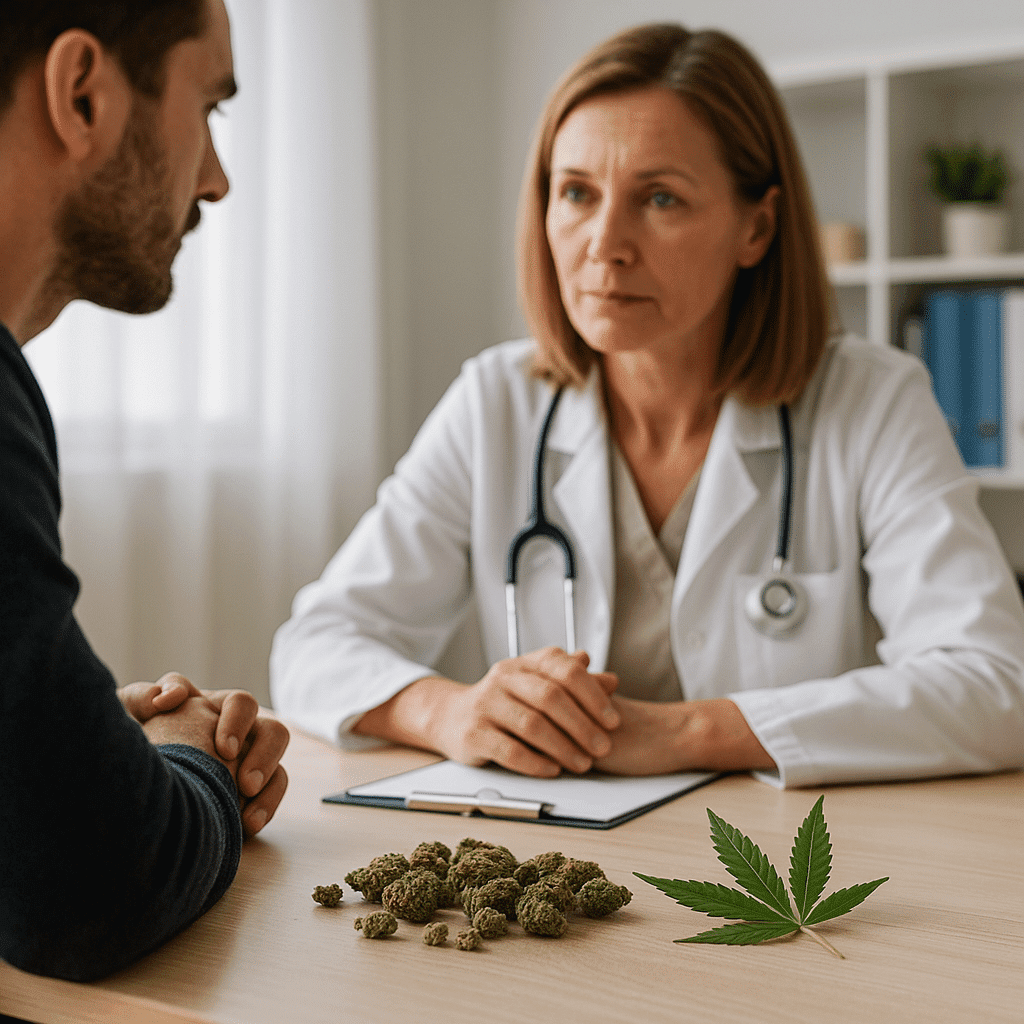
Telehealth has emerged as a truly critical and transformative tool in bridging geographical gaps in healthcare access, and its application to medical cannabis consultations holds immense promise for remote patients. The ability to consult with a prescribing doctor via video conference or telephone eliminates the immediate need for long-distance travel, making the initial consultation and subsequent follow-up appointments far more accessible. This technological leap can significantly reduce the practical and financial barriers for individuals living hundreds or thousands of kilometres from the nearest urban centre, allowing them to connect with specialists who might otherwise be completely out of reach. For a patient in the Kimberley, a telehealth consultation can mean the difference between receiving treatment and enduring ongoing suffering.
However, while telehealth brilliantly addresses the consultation aspect of the access equation, it does not entirely resolve the subsequent and equally crucial dispensing challenge. Patients still require a physical pharmacy to dispense their medication, and this is where the limitations become apparent. Remote pharmacies continue to face the same issues with stock levels, efficient ordering systems, and reliable delivery logistics as mentioned previously. A telehealth consultation can successfully lead to a prescription, but if that prescription cannot be filled and delivered to the patient’s remote location in a timely and secure manner, the benefit is significantly diminished. Furthermore, ensuring secure and private communication channels, along with the fundamental technical infrastructure for reliable, high-speed internet access, can still be a significant issue in some of Australia’s most remote locations. This digital divide can potentially limit the effectiveness and reach of telehealth for those who arguably need it the most, creating a new layer of inequality.
Supporting Pathways and Future Considerations for Equitable Access
Beyond the SAS, the Authorised Prescriber (AP) scheme offers another important pathway designed to streamline access to unapproved medicines. Under the AP scheme, a medical practitioner can gain authorisation from the TGA to prescribe a specific unapproved therapeutic good to a class of patients with a particular medical condition, without needing to seek separate TGA approval for each individual patient. For example, a GP might become an Authorised Prescriber for a specific CBD oil product for patients with refractory epilepsy. While the AP scheme significantly streamlines access for prescribers once approved, the initial application process for AP status is rigorous and requires demonstrating expertise and a clear clinical need. Consequently, uptake in remote areas may still be limited due to similar resource constraints, a perceived lack of extensive clinical experience with cannabis products among regional practitioners, and the administrative burden of the application itself.

To genuinely improve access to medical cannabis in remote regions, a multi-pronged approach and several critical considerations warrant urgent attention. Firstly, expanding and heavily investing in education and training programs for medical professionals, particularly those practising in rural and remote settings, is paramount. This would increase the number of practitioners who are not only comfortable but also highly competent in prescribing medical cannabis, understanding its nuances, and managing the regulatory pathways. Secondly, financial mechanisms such as subsidising the costs associated with accessing and dispensing these medications in remote areas could alleviate significant burdens on both patients and healthcare providers. Currently, the out-of-pocket costs for medical cannabis can be prohibitive for many, especially those on limited incomes in remote areas. Thirdly, developing more robust, reliable, and perhaps subsidised logistics networks specifically tailored for pharmacy deliveries to remote locations is crucial. This could involve partnerships with existing freight companies, exploring drone delivery for smaller, high-value medical items, or establishing regional hubs for faster distribution.
Collaborative approaches involving state and federal health departments, peak medical bodies, pharmacy associations, and patient advocacy groups will be absolutely essential for developing sustainable, equitable, and effective solutions. This might include pilot programs to test innovative delivery models or dedicated funding for regional cannabis clinics. The goal should be to create a seamless pathway from consultation to dispensing, regardless of a patient’s geographical location. For instance, developing a centralised, TGA-approved remote dispensing service that can securely and efficiently ship medications to remote patients, perhaps leveraging existing postal services with appropriate security measures, could be transformative.
“While telehealth has substantially improved the accessibility of consultations for medical cannabis, the critical ‘last-mile’ delivery of these essential medications to remote Australian patients remains a significant and often insurmountable bottleneck within the current regulatory and logistical framework, demanding innovative and concerted solutions.”
Managing the TGA’s Special Access Scheme for medical cannabis in Australia’s remote regions is undeniably a complex and arduous journey. While the regulatory framework is meticulously designed to ensure safe and appropriate access to unapproved medicines, the harsh realities of vast distances, severely limited healthcare infrastructure, and persistent logistical hurdles often impede genuinely equitable access for those who could potentially benefit most from this therapeutic option. Addressing these systemic challenges demands a comprehensive, multi-faceted approach, focusing intensely on enhancing prescriber education and confidence, leveraging the full potential of technological advancements like telehealth effectively, and, critically, innovating delivery mechanisms to overcome geographical barriers. Ultimately, the overarching goal must be to ensure that geographical location does not become an insurmountable barrier to receiving legal, safe, and medically indicated cannabis treatments for patients across the entirety of Australia, upholding the principle of healthcare equity for all citizens.