Mitigating Botrytis Cinerea in Outdoor Australian Cannabis Cultivations: Integrated Pest Management
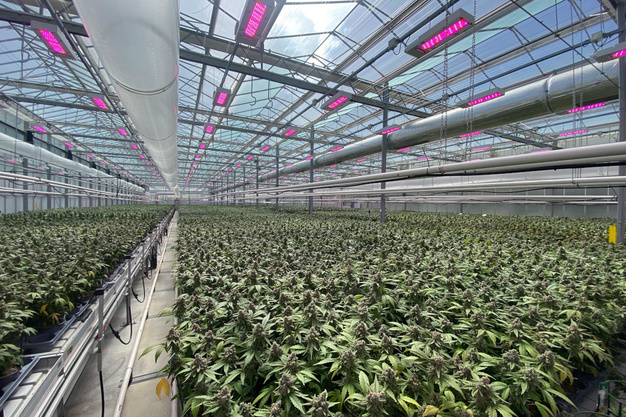
This study explores various Integrated Pest Management (IPM) strategies to effectively mitigate the prevalence and impact of Botrytis cinerea (bud rot) in outdoor Australian cannabis cultivations, considering diverse regional microclimates.
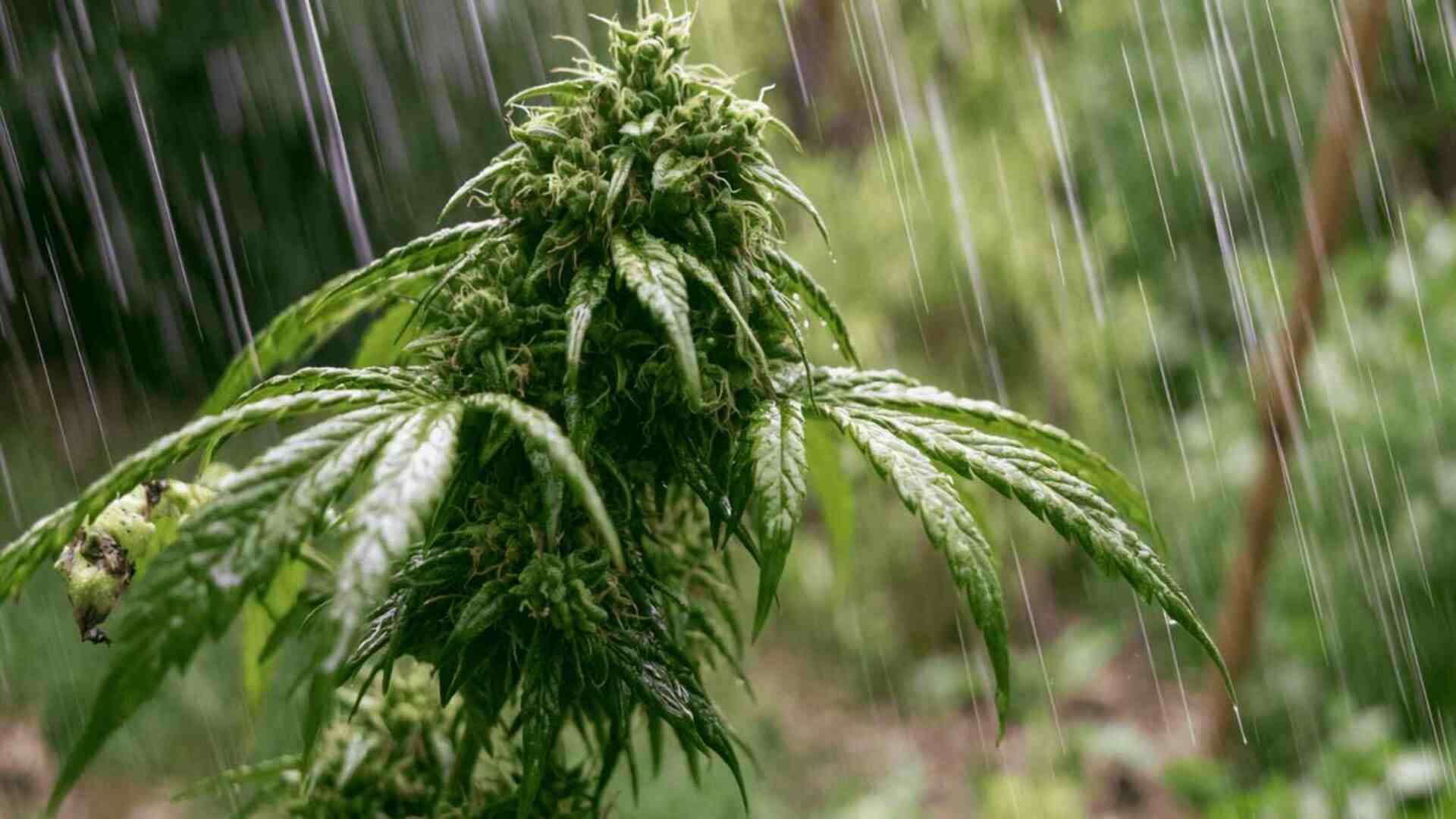
Outdoor cannabis cultivation in Australia presents a unique set of challenges, with environmental variables often dictating plant health and yield. Among these, Botrytis cinerea, commonly known as grey mould or bud rot, stands as a formidable threat, capable of devastating entire crops. This ubiquitous necrotrophic fungus thrives in the warm, humid conditions frequently encountered during the Australian growing season, particularly in coastal and subtropical regions. Its insidious nature, often remaining undetected until significant damage has occurred, demands a proactive and integrated approach to management. Effective mitigation strategies focus not on symptom control but on creating an environment where the pathogen struggles to establish and proliferate, safeguarding the integrity of medicinal cannabis harvests for the Australian market.
Understanding Botrytis Cinerea and its Impact
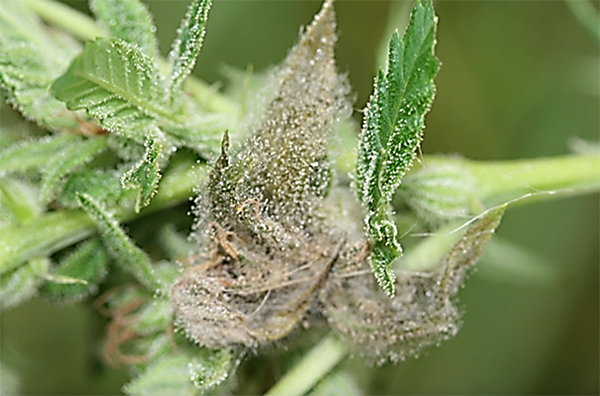
Botrytis cinerea is a highly adaptable pathogen that affects a wide range of plant species, including cannabis. It primarily targets senescing or damaged plant tissues, but can also infect healthy plants under prolonged periods of high humidity and moderate temperatures. The fungus produces spores that are easily dispersed by wind and water, leading to rapid spread within a cultivation area. Once established, it causes a characteristic grey, fuzzy mould that quickly leads to tissue decay, particularly within dense flower structures where moisture becomes trapped.
The economic implications of Botrytis infection are substantial for Australian medicinal cannabis cultivators. Beyond direct yield losses from infected plants or portions of plants, the presence of mould can compromise product quality and safety, potentially leading to entire batches failing regulatory compliance for human consumption. This poses a critical concern within Australia’s tightly regulated medicinal cannabis framework, where product integrity from farm to pharmacy remains paramount. Understanding the pathogen’s life cycle and environmental triggers forms the foundation of effective disease management.
Environmental Management and Cultural Practices
Controlling the microclimate around cannabis plants represents perhaps the most effective non-chemical approach to Botrytis mitigation. In outdoor settings, this often involves careful site selection to ensure adequate air circulation and sunlight exposure. Planting in areas prone to stagnant air or excessive morning dew should be avoided where possible. Strategic plant spacing proves crucial; overcrowding reduces airflow between plants, creating ideal conditions for fungal growth. Pruning lower leaves and non-essential growth can further enhance air circulation within the plant canopy, reducing humidity pockets.
Watering practices play a significant role in prevention. Overhead irrigation, especially late in the day, should be avoided as it leaves foliage wet for extended periods, encouraging spore germination. Drip irrigation or subsurface watering systems are preferable as they deliver water directly to the root zone without wetting the canopy. Managing nutrient levels also proves important; excessive nitrogen can lead to lush, tender growth that is more susceptible to fungal attack, while adequate levels of potassium and calcium can enhance plant resilience.
Timing of harvest becomes critical in high-risk periods. Many cultivators have learned to monitor weather patterns closely, particularly during late flowering stages when dense buds are most vulnerable. Extended periods of rain or high humidity may necessitate emergency harvesting of partially mature plants to prevent total crop loss. This requires careful planning and flexibility in harvest schedules, balancing optimal maturity with disease risk.
“Proactive environmental manipulation, focusing on reducing canopy humidity and promoting air circulation, forms the bedrock of Botrytis prevention in outdoor cannabis cultivation.”
Biological Control Strategies
Biological control agents offer an environmentally conscious approach to managing Botrytis cinerea, aligning with sustainable agricultural practices increasingly valued in Australia. These agents typically involve beneficial microorganisms that either compete with the pathogen for resources, produce antifungal compounds, or induce systemic resistance in the host plant. Examples include certain strains of *Bacillus subtilis*, *Trichoderma harzianum*, and *Streptomyces lydicus*, which have demonstrated efficacy against Botrytis in various agricultural contexts.
The application of these biologicals often involves foliar sprays or root drenches, depending on the specific product and target. Timing proves critical for their effectiveness; preventative applications before the onset of high-risk periods are generally more successful than attempts to control an established infection. Research into native Australian microbial strains that exhibit anti-Botrytis activity could offer region-specific solutions, further enhancing the sustainability and efficacy of these approaches for local cultivators.
Some cultivators have reported success with compost teas and fermented plant extracts that contain beneficial microorganisms. These homemade solutions, while less standardised than commercial biological products, can provide cost-effective options for smaller operations. However, consistency and efficacy can vary significantly, making them better suited as supplementary rather than primary control measures.
Strategic Use of Approved Fungicides
While cultural and biological controls form the backbone of an integrated pest management strategy, the judicious use of fungicides approved for cannabis cultivation can provide an additional layer of protection, particularly during periods of high disease pressure. Australian cultivators must adhere strictly to the list of approved agricultural chemicals by the Australian Pesticides and Veterinary Medicines Authority (APVMA), ensuring compliance with regulatory standards for medicinal cannabis production. Many conventional fungicides are not approved for use on cannabis, and residues can render product unsuitable for medicinal use.
Selecting fungicides requires consideration of their mode of action, potential for resistance development, and re-entry intervals. Rotating different fungicide classes proves essential to prevent the pathogen from developing resistance. Application timing should be strategic, focusing on periods when plants are most vulnerable or when environmental conditions are highly conducive to disease development. This targeted approach minimises chemical input while maximising protective benefits.
Copper-based fungicides, while approved for organic production, require careful application timing and rates to avoid phytotoxicity. Many cultivators prefer systemic fungicides that can provide longer-lasting protection, but these must be applied well before harvest to ensure adequate residue degradation. Understanding pre-harvest intervals and maximum residue limits becomes essential for maintaining product compliance.

Integrated Disease Monitoring and Response
A robust monitoring program proves indispensable for the early detection and effective management of Botrytis cinerea. Regular scouting of crops, particularly during flowering and periods of high humidity, allows cultivators to identify initial signs of infection before they become widespread. Close examination of dense flower clusters and areas where moisture might accumulate becomes paramount. The use of environmental sensors to track temperature, humidity, and leaf wetness can provide valuable data for predicting periods of high disease risk, enabling proactive intervention.
Digital tools and weather monitoring systems have revolutionised disease prediction for many Australian cultivators. Smartphone apps that track local weather conditions and provide disease risk alerts help growers make informed decisions about preventive treatments. Some operations have invested in automated monitoring systems that can trigger alerts when environmental conditions favour Botrytis development, allowing for immediate response even during off-hours.
Record-keeping becomes crucial for understanding patterns and improving future management decisions. Documenting weather conditions, treatment applications, and disease incidence helps cultivators identify which strategies work best for their specific location and growing conditions. This data-driven approach enables continuous improvement of management protocols and can help justify treatment decisions to regulatory authorities if required.
Regional Considerations and Climate Adaptation
Different regions of Australia present varying challenges for Botrytis management, requiring tailored approaches based on local climate patterns. Coastal areas with high humidity and frequent morning dew may require more aggressive environmental management strategies, while inland regions might focus more on irrigation management and plant spacing. Understanding local weather patterns and seasonal variations helps cultivators anticipate high-risk periods and prepare accordingly.
Climate change has introduced new variables into disease management planning. Increasingly unpredictable weather patterns, including sudden temperature drops followed by high humidity, create challenging conditions for outdoor cultivation. Many cultivators are adapting by selecting more resistant cultivars, implementing protective structures like polytunnels, or adjusting planting schedules to avoid high-risk periods.
Collaboration with local agricultural extension services and research institutions can provide valuable insights into regional disease management strategies. Many techniques developed for other crops in similar climates can be adapted for cannabis cultivation, providing a broader knowledge base for effective Botrytis management.