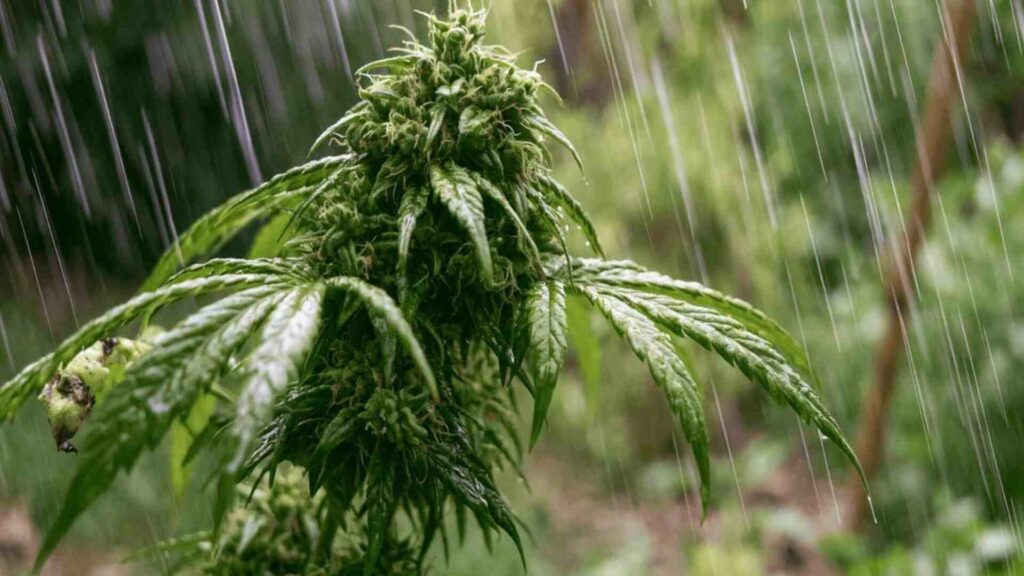
Substrate Performance: Coco Coir vs. Living Soil in Queensland Greenhouse Cannabis
This research provides a comparative analysis of coco coir and living soil substrates, assessing their impact on cannabis plant vigor, nutrient uptake, and final yield within a Queensland greenhouse setting.
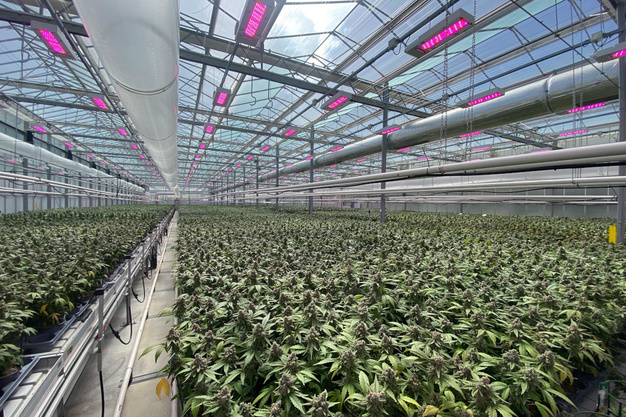
The choice of growing medium represents a foundational decision in controlled environment agriculture, particularly for high-value crops where precision and consistency matter most. Far from being mere inert substrate, the growing medium acts as the plant’s immediate environment, directly influencing root development, nutrient uptake, and overall plant health. In sophisticated CEA operations, where every variable receives meticulous control, selecting the right medium can determine whether a crop thrives profitably or struggles to reach its full potential. The considerations involved in selecting growing media for CEA are intricate, with diverse options available and critical factors that guide this pivotal choice.
The Essential Roles of a Growing Medium
A growing medium performs several indispensable functions beyond simply holding the plant upright. First, it provides mechanical support, anchoring the roots and allowing the plant to develop its aerial structure without toppling. This proves especially crucial for larger, more productive plants or those grown in vertical farming systems where stability is key. Second, and perhaps most critically, the medium acts as a reservoir for water and dissolved nutrients. Its porosity and water-holding capacity dictate how efficiently water and nutrients reach the roots and how readily excess water can drain away, preventing waterlogging and root suffocation. For instance, a medium with excellent water retention but poor drainage can lead to anaerobic conditions, fostering harmful pathogens and hindering nutrient uptake.
Third, the growing medium facilitates gas exchange in the root zone. Roots, like leaves, require oxygen for respiration. A well-aerated medium ensures a continuous supply of oxygen to the roots while allowing carbon dioxide, a byproduct of respiration, to escape. Without adequate aeration, roots become stressed, leading to stunted growth, nutrient deficiencies, and increased susceptibility to diseases. Finally, the medium can help regulate root zone temperature. Some media, like rockwool, offer good insulation, helping to buffer temperature fluctuations, which can be beneficial in maintaining optimal root temperatures, particularly in systems with fluctuating ambient temperatures. The interplay of these factors creates a dynamic environment that profoundly impacts plant physiology and productivity in CEA systems.
Understanding the Spectrum of Growing Media Options
The CEA landscape offers a diverse array of growing media, each with unique characteristics and suitability for different crops and cultivation strategies. Traditional soil, while foundational in outdoor agriculture, is rarely used in CEA due to its variability, potential for pathogens, and weight. Instead, growers turn to soilless media, which offer greater control and consistency.
Rockwool, a fibrous material made from molten rock spun into threads, is a popular choice due to its excellent water retention, aeration, and inert nature. It comes in various forms, from propagation cubes to slabs, making it versatile for different growth stages. Many hydroponic operations utilize rockwool cubes for seedlings, later transplanting them onto larger rockwool slabs for mature plant growth. Its sterile nature minimizes the risk of pests and diseases, a significant advantage in controlled environments. However, its non-biodegradable nature presents an environmental challenge, requiring careful disposal.
Coco Coir, derived from coconut husks, is a renewable and increasingly popular alternative. It offers good water retention, excellent aeration, and a neutral pH, making it suitable for a wide range of crops. Its fibrous structure promotes healthy root development, and unlike rockwool, it is biodegradable. However, not all coco coir is created equal; poorly processed coir can have high salt content, requiring thorough rinsing before use. Many commercial growers prefer buffered coco coir to avoid potential nutrient lockout issues.
Perlite and Vermiculite are lightweight, inorganic minerals often used as amendments to improve aeration and water retention. Perlite, a volcanic glass, provides excellent drainage and aeration, while vermiculite, a hydrated magnesium aluminum silicate, is known for its superior water-holding capacity. They are rarely used alone but are frequently mixed with other media, such as coco coir or peat moss, to optimize the physical properties of the substrate. A common mix for containerized crops might include coco coir for bulk, perlite for drainage, and vermiculite for enhanced water retention.
Peat Moss, harvested from peat bogs, is a traditional medium known for its high water-holding capacity and acidic pH. While effective, its non-renewable nature raises environmental concerns, leading many growers to explore more sustainable alternatives. Usage often requires pH adjustment to suit specific crop requirements.
Clay Pebbles (LECA – Lightweight Expanded Clay Aggregate) are another inert option, particularly favored in deep water culture (DWC) and ebb and flow systems. Their porous structure provides good aeration and drainage, and they are reusable after sterilization. However, their low water retention means they are typically used in systems where roots are constantly in contact with nutrient solution.
Oasis Cubes, a phenolic foam, are specifically designed for propagation, offering a sterile, consistent environment for seed germination and rooting cuttings. They provide excellent moisture control and aeration for delicate young plants, reducing transplant shock.
Critical Factors in Medium Selection
The “best” growing medium is a myth; the optimal choice is highly dependent on a confluence of factors, each contributing significantly to the success of a CEA operation. Understanding these variables is paramount for making informed decisions.
Crop Specific Requirements
Different crops have distinct needs. Leafy greens like lettuce thrive in media that offer consistent moisture and good aeration, making rockwool or coco coir excellent choices. Fruiting vegetables such as tomatoes and cucumbers, with their extensive root systems and high nutrient demands, benefit from media that provide robust support, excellent drainage, and a stable root environment, often leading growers to utilize rockwool slabs or large coco coir bags. Herbs, often grown in smaller containers, might prefer a lighter, faster-draining medium. The ideal pH range for nutrient uptake also varies significantly between species; blueberries prefer acidic conditions, while most vegetables thrive in a more neutral pH. A grower cultivating multiple crop types might employ different media or media blends across their facility to optimize for each specific plant’s needs.
Cultivation System
The choice of cultivation system profoundly influences medium selection. In hydroponic systems like Deep Water Culture (DWC) or Nutrient Film Technique (NFT), the primary function of the medium is often just to provide initial support for seedlings, as the roots are submerged directly in the nutrient solution. Here, inert media like rockwool cubes or net pots filled with clay pebbles suffice. In drip irrigation or ebb and flow systems, where the medium has a more active role in water and nutrient delivery, media with good water retention and drainage, such as coco coir or rockwool slabs, are preferred. Aeroponics, which uses no solid medium, focuses entirely on nutrient mist delivery to suspended roots. Each system’s unique mechanics dictate the physical and chemical properties required of the chosen medium.
Water-Holding Capacity and Aeration
The delicate balance between water retention and aeration is critical. Roots need both moisture and oxygen. A medium with excessively high water-holding capacity and poor drainage can lead to waterlogging, suffocating roots and promoting anaerobic bacteria. Conversely, a medium that drains too quickly can lead to frequent dry-down cycles, causing plant stress and requiring more frequent irrigation. A medium with a high air-filled porosity (AFP) is desirable for oxygen-loving roots, while a high water-holding capacity (WHC) ensures consistent moisture availability. The ideal ratio often depends on the crop’s water usage and the irrigation strategy employed. A grower using infrequent, deep watering might opt for a medium with higher WHC, while one with frequent fertigation might prioritize AFP.
pH Buffering Capacity and Electrical Conductivity
The medium’s ability to buffer pH changes is crucial for maintaining optimal nutrient availability. Some media, like peat moss, are naturally acidic, while others, like rockwool, are relatively inert. Growers must select a medium that either naturally aligns with their crop’s preferred pH or can be easily adjusted and maintained within that range. The medium’s electrical conductivity (EC) can also impact nutrient availability. Some media, particularly improperly processed coco coir, can have high inherent salt levels, which can lead to nutrient lockout or toxicity if not addressed before planting. Thorough rinsing and buffering are often necessary to ensure a clean slate for nutrient delivery.
Sustainability and Cost
Environmental impact and economic viability are increasingly important considerations. Renewable and biodegradable options like coco coir are gaining favor over non-renewable or non-biodegradable materials like peat moss or rockwool. The cost of the medium itself, transportation, and disposal all contribute to the overall operational expenses. While some media may have a higher upfront cost, their longevity or reusability can offer long-term savings. While rockwool is not biodegradable, its ability to be steam-sterilized and reused for multiple crop cycles can offset some of its environmental footprint and cost.
Sterility and Pathogen Control
In CEA, maintaining a sterile or pathogen-free environment is paramount to prevent disease outbreaks. Many soilless media are inherently sterile, reducing the risk of soil-borne pathogens. For reusable media like clay pebbles, proper sterilization techniques (heat or chemical treatment) are essential between crop cycles to prevent the carryover of diseases. The medium itself should not be a vector for pests or diseases, and its physical properties should not encourage the growth of harmful microorganisms.
The Future of Growing Media in CEA
As CEA technology continues to advance, innovation in growing media follows suit. Researchers are actively exploring novel materials and blends to further optimize plant growth, reduce environmental impact, and enhance efficiency. This includes investigating biodegradable polymers, biochar, and advanced composite materials that can offer superior physical and chemical properties. The drive towards fully circular systems is also influencing medium development, with a focus on materials that can be composted, recycled, or even used as a source of energy after their useful life. Some companies are developing technologies to process used rockwool into insulation materials, closing the loop on its life cycle.
Furthermore, the integration of sensors and AI will allow for even more precise control over the root environment, with systems potentially adjusting irrigation and nutrient delivery based on real-time data from the medium itself. This data-driven approach will enable growers to fine-tune their medium choices and management strategies to an unprecedented degree, achieving new levels of productivity and sustainability in controlled environment agriculture. The ongoing evolution of growing media reflects the dynamic and innovative nature of the CEA industry, constantly striving for perfection in plant cultivation.